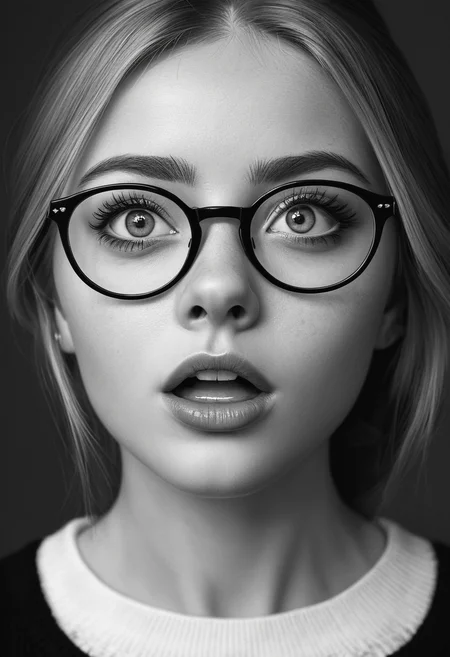
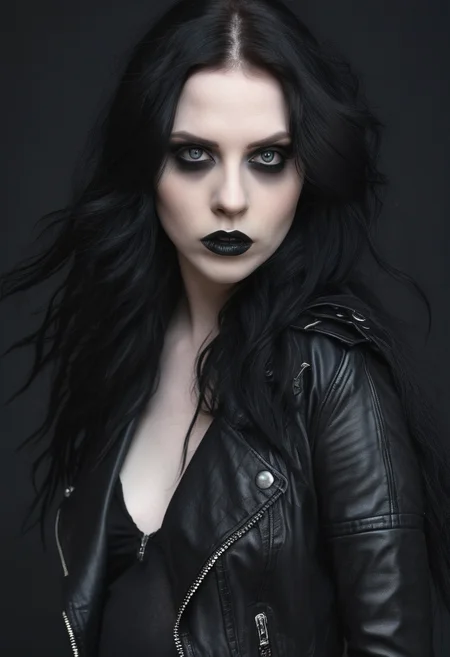
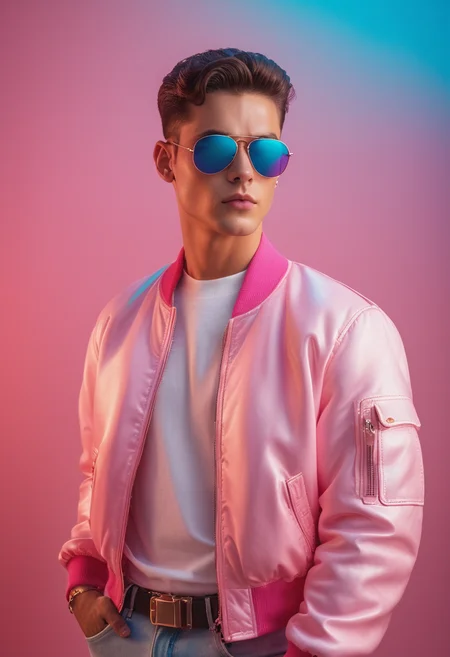
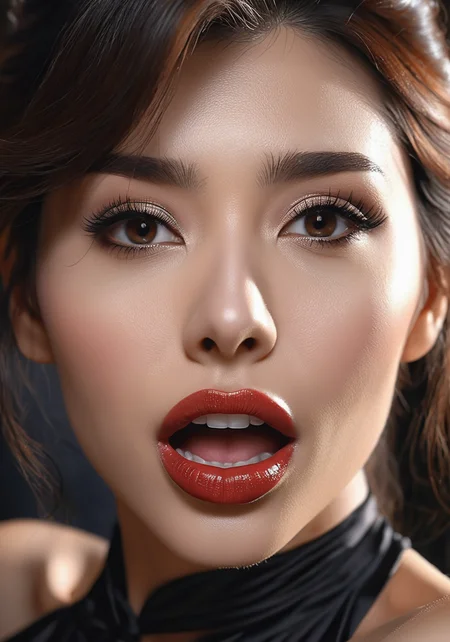
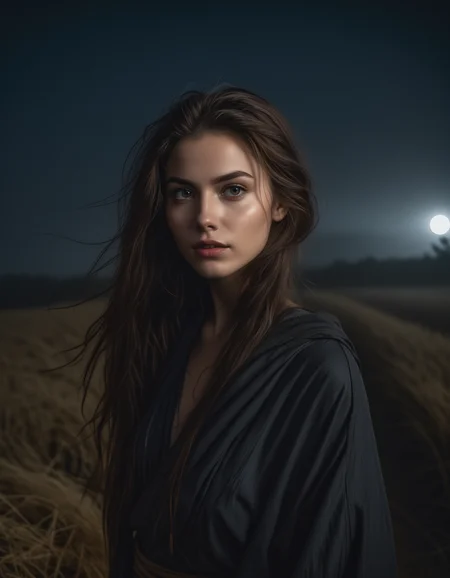
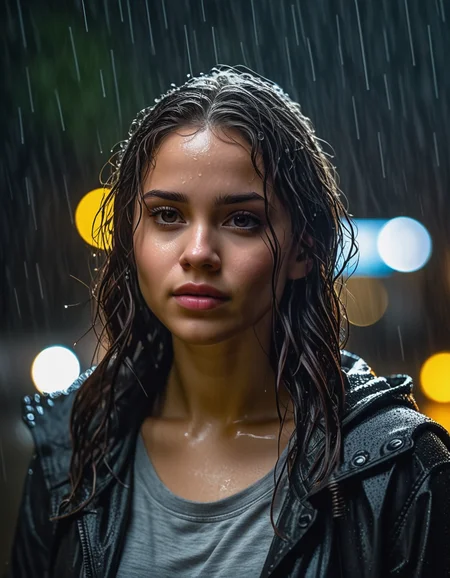
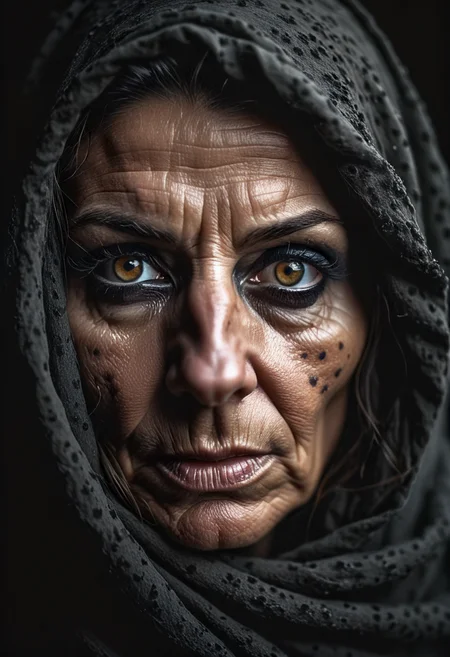
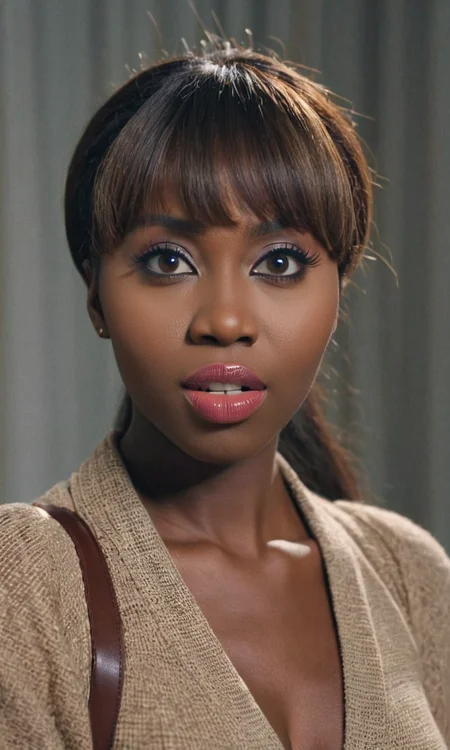
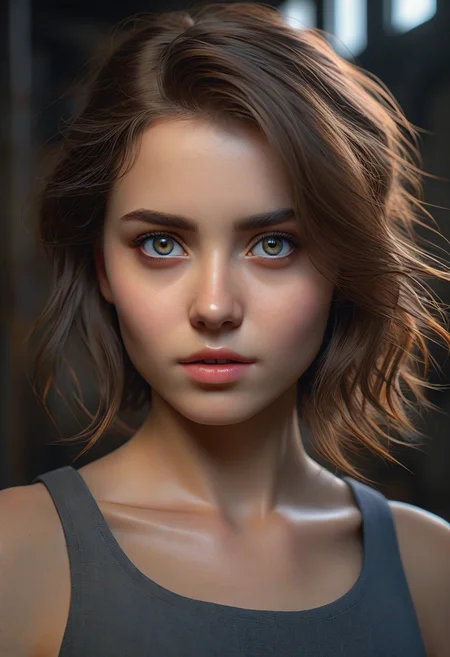
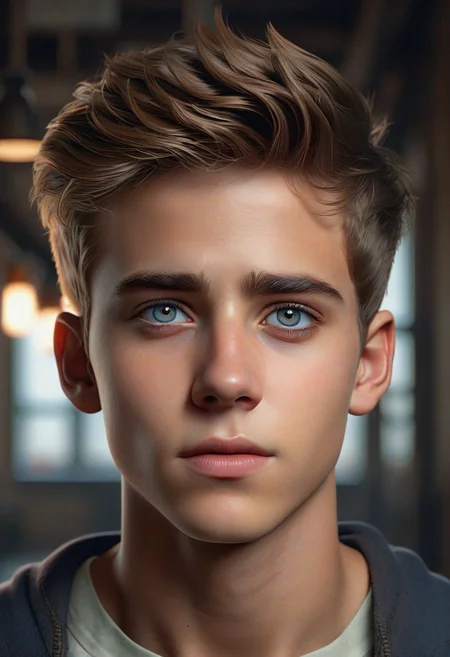
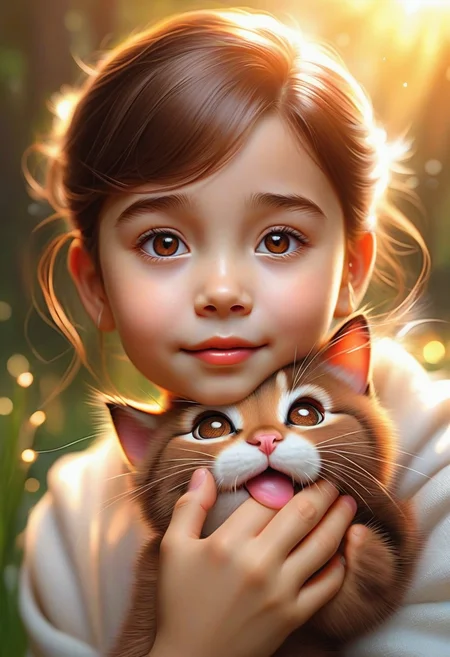
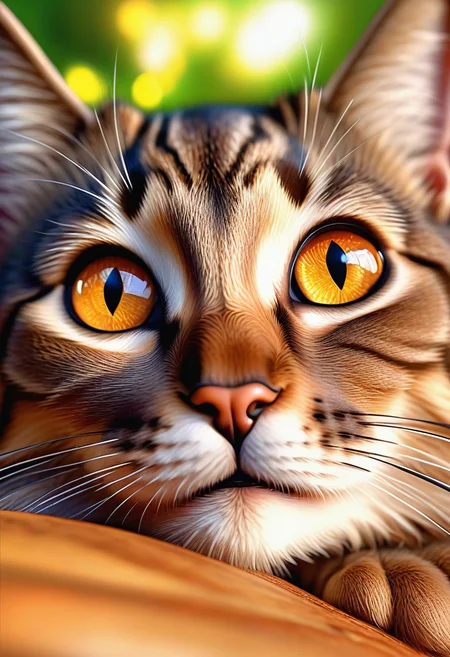

Unleash Your Creativity with CommonXL
Imagine a Model that combines the best features of the most beloved Checkpoint models. CommonXL does just that, offering unparalleled flexibility and the ability to create a vast array of styles with jaw-dropping quality. Whether you're a digital artist, a designer, or a creative enthusiast, CommonXL is your gateway to a new realm of artistic expression.
Dive in and experience the magic for yourself!
Recommended settings:
Sampler: All of the samplers work well.
CFG: 6-8
Steps: 18+
Clip Skip: 1-2
Description
CommonXL is the result of the fusion of three world-class checkpoint models, resulting in unsurpassed quality that reaches the pinnacle of photorealism. This triumphant union seamlessly combines the strengths of each model, creating visual representations of exceptional realism that push the boundaries of what was previously thought possible. The synergy of these AI models provides a whole new visual experience and sets new standards in AI image generation.
Default Settings:
Steps: 20
cfg: 8
sampler: euler
scheduler: normal
width: 832 Px
height: 1216 Px
Models used to create commonXL:
ThinkDiffusionXL - Link: https://civitai.com/models/169868
WoW_XL - Link: https://civitai.com/models/147933
RealVisXL V1.0 - Link: https://civitai.com/models/139562?modelVersionId=154590
FAQ
Comments (10)
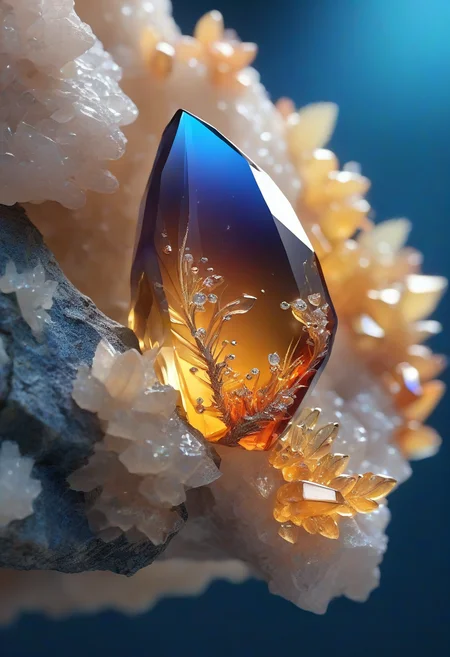
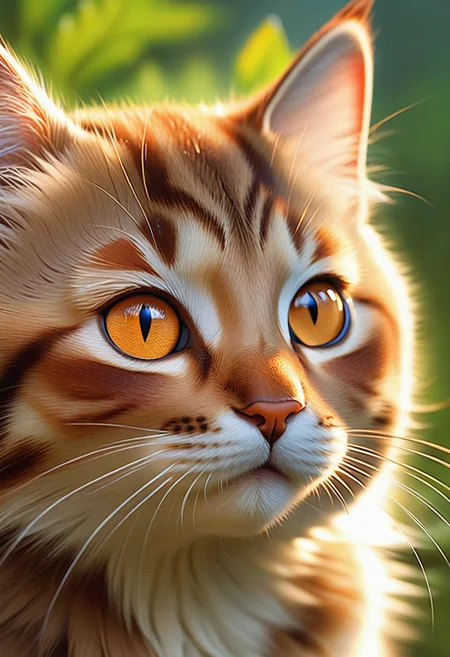
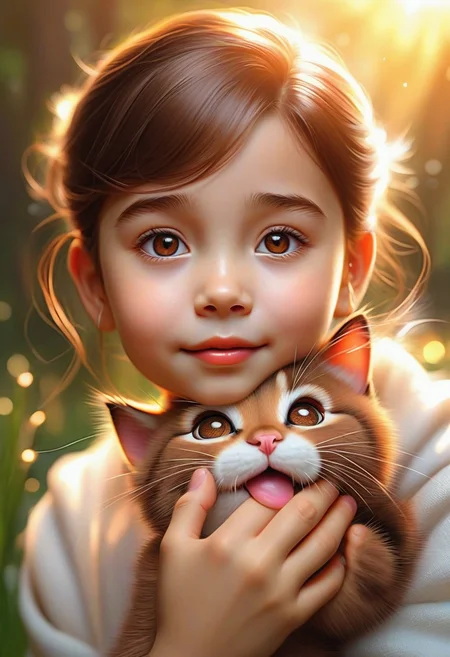
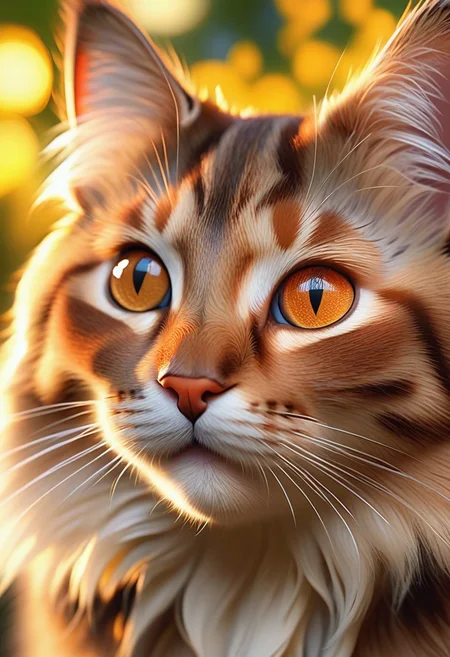
You have some really nice images posted for your model, but do you have better examples to support the pinnacle of photorealism claims? The images you post are some very nice art, illustration, and 2.5d works, but they are not what I would consider photorealistic. There are a lot of models that do photo realistic extremely well so I am trying to figure out what makes this model apparently better then the others as the images you attach don't seem to support the claim. Maybe my understanding of the term photorealistic is wrong. When ever I look at something as being photorealistic, I expect that I should be able to mistake it as a real photo without having to at least make a double take. If I look at it and I immediately recognize it as nice or even great art, then I don't consider it photo realistic. But again, it might be my potential misunderstanding of the term.
Hey SuoixDs, thanks for your detailed feedback. Maybe I didn't manage to meet your expectations. Test the model and let me know if you succeeded.
photo-realistic does not mean a photograph. it means "the quality in art (such as animation or painting) of depicting or seeming to depict real people, objects, etc. with the exactness of a photograph".. google is your friend.
this model is fine and works well...
@Lojac Does it "seem to depict real objects" if the objects are immediately recognised as not real?
I think a lot of the confusion is that the standard for realism is extremely high in AI image generation.
"a photorealistic painting" and "a photorealistic AI image" gives different associations, and for most people, the latter means "an image indistinguishable form a photo", while the former doesn't.
@Balgorr I JUST THINK PEOPLE SEE THE WORD "PHOTO" AND THINK IT IS MEANT TO BE A PHOTO soz caps,
"google is your friend" - it is not. But I have a better friend, a dictionary! https://dictionary.cambridge.org/dictionary/english/photorealistic
"photorealistic" = "looking like a photograph or film of a real person, place, etc."
So, yes, when people see the word "photo", and especially "photorealistic", they do expect to see something resembling a photo. Especially when we have many models that can produce such images.
The above is in no way an attempt to evaluate the model quality, I haven't tried it yet. This is only about the "photorealistic" tag meaning and I'm inclined to agree with @SuoixDs's line of thoughts.
@green_anger looking like a photograph or film of a real person, place, etc.:
She paints big photorealistic oil paintings of rural landscapes.
Professional animators make photorealistic animation with high detail.
Fewer examples
A great portrait is not a photorealistic painting, but a picture that captures someone's personality.
He tries to capture the essence of the subject rather than present a photorealistic impression.
The image looks photorealistic but not real.
Many games have photorealistic graphics.
The photorealistic graphics, with a lot of mutilation and gore, are too much for some people.
@Lojac Your examples I think pretty much confirms green_anger's dictionary definition. The only exception would be if you were thinking we were saying that for something to be photorealistic it must look like a photo. A photo is a snapshot of some object. Unless bad exposure, specialty exposures, damage, or external influence occurs the photo (based on todays photo technologies) will look exactly like whatever the picture was taken of as far as its resolution and focus quality will allow. A photo realistic painting is going to try to be like as if it was a photograph in its presentation of its subject. Meaning the quality will be very much like as if it was taken by a camera. Photo realistic animations are animations that will look like the real thing as would be captured by a still for a photograph. In reference to a photo looking photorealistic but not, real an example would be could be something like pigs flying. If they were photo realistic they would look like as if someone took a picture of flying pigs, but as we all know that pigs don't actually fly or have wings, the image would not look real. It would deny what we expect to from the world we live in. Same would be if we were to look at a photorealistic image of a person do a 1 finger handstand with someone balanced standing on the primary subjects feet. It could look like a legit photo of real people doing some extraordinary action, but it would not look real, because it would seem to defy what we expect to be able to occur. Many games and movies, have photorealistic graphics and affects which would mean it would look like what came from a photograph of real objects. Movies with photorealistic gore can bother people because of the fact it looks like "real" violence occurring. If you swap the real looking (photo realistic) violence out with something that does not look real, then in most cases it won't bother folks because it is easy for them to associate it as something fake and not bothersome. Kung-Pow enter the fist the hero punches a hole right through someone's stomach and it is a big joke and gag to laugh at because it is so clearly fake and not imitating real violence. If they were to use photorealistic violence in that scene it would be a complete change as then the point would be to try to depict something so that it looks like the real thing (as if the real thing had been capture in a photo), Photorealistic image of a big wiggly piece of painted rubber and slapstick comedy is very different then photorealistic depiction of violence and gore.
In all of the examples, the point was that, that which was photorealistic looked like the real thing or as in an image taken of a real thing. (Capturing a feeling or essence of something is not the same thing as a photorealistic representation of something. Impressionism for example.) If you look at something and it does not look real to you, or at least does not look like a photographic capture of some object in or not in action, then it can't be considered photorealistic to you. With that said, eye of the beholder. Some folks may naturally or via training discern what looks real much faster and easier than others. So what one person looks at and thinks looks "photorealistic" to them (or something that looks like a photo was taken of the object to them), may not be photorealistic to someone else who picks up on the inaccuracies near instantly.
And just to confirm. I am not trying to knock the model. I did think the example images were very nice and complimented them for the art they were. It's just when there are many other models that almost defy what I thought was possible a year ago for photorealistic renders, saying pinnacle of photorealistic was a very big claim. To my maybe over sensitive eye, the claim did not match the examples, and if the author had other examples that better reinforced the claim, I was very happy to see them. I have like 20 models I want to try right now to test their strengths, but there are more models then I have time to mess with. Example art is helpful for prioritizing what I mess with first. To me, photorealism (as in looking like a photo was taken of the subject) is king. The reason being is that folks have been making cool art for millennia of many different styles. BUT, to be able to make something that is indistinguishable from the real thing is something that many, many artists have pushed for, to differing levels of degree, over that time. With AI advancements, though, soon folks will be able to reach the level what they create is truly indistinguishable from the real thing by the human eye. It will take either analyzing the content to determine if it is even possible for it to be "real" or computer analysis. (No matter how accurate, and life like a picture of photorealistic flying pigs is, I will know it is not real. That is at least until we have tech to alter pigs and make them fly. lol Without some form of encryption key embedding in images and video, soon all of it will potentially be useless for factual evidence verification. Awesome and scary times we live in.
what is with the pile on on my comments ..? did I say something offensive ...? or is this like night cafe where is you are not in your NOT in.
Most of my images turn out great when I use CommonXL. It's definitely my most used checkpoint, I don't get why it isn't more popular. Thanks!