
*** If you like my LoRAs, please consider supporting my creative efforts. It doesn't take much to show your love—by liking the models, posting images using my models, or leaving a tip or comment to keep the creativity flowing. Civitai creators dedicate a lot of time to crafting these amazing creations, so any support, buzz, or encouragement you provide makes a world of difference. Thank you!
Cockatrice: The Mythical and Fantasy Creature
Introduction
The Cockatrice is a legendary creature that appears in both ancient mythologies and modern fantasy games like Dungeons & Dragons. Known for its fearsome abilities and bizarre appearance, the Cockatrice has captured the imagination of many across different cultures and eras.
Mythological Origins
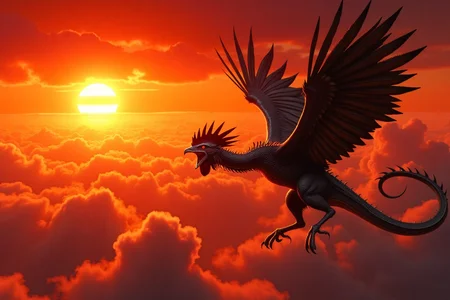
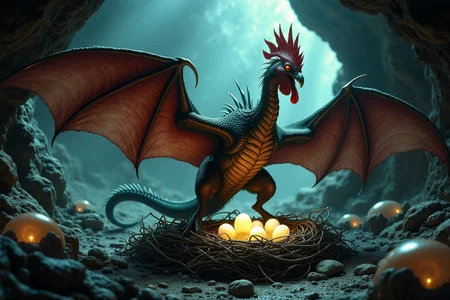
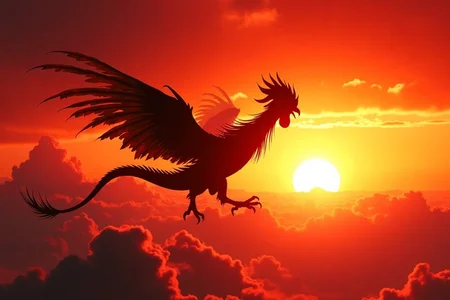
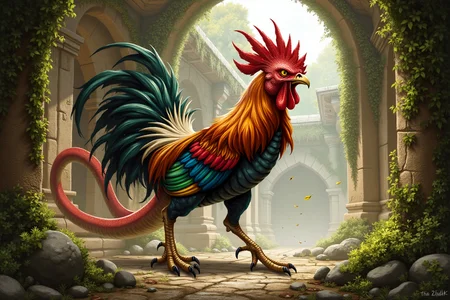
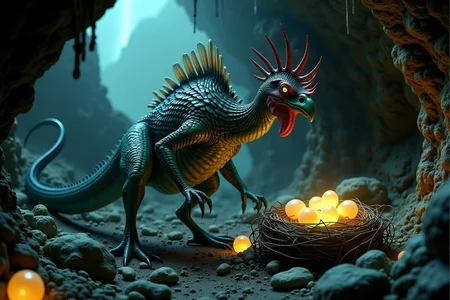
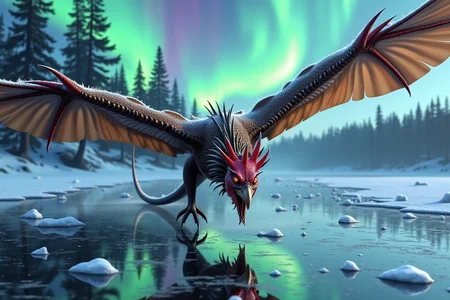
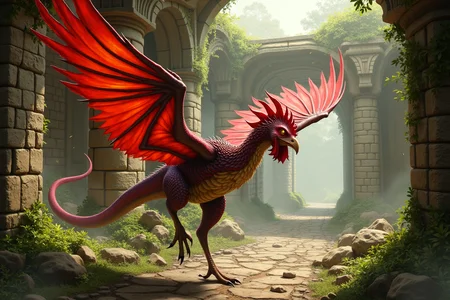
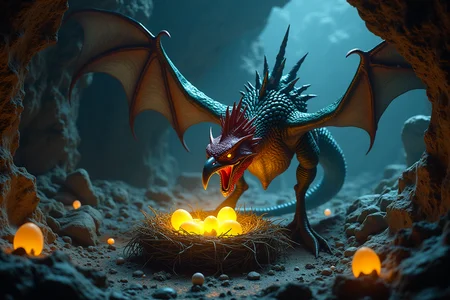
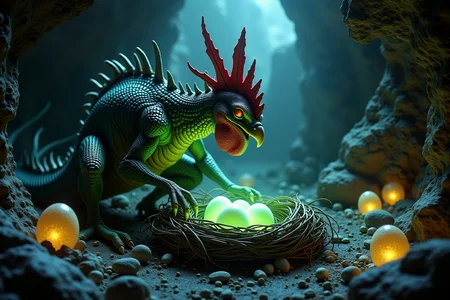
Ancient Myth: The Cockatrice originates from medieval European folklore. It is described as a two-legged dragon or serpent with a rooster's head. According to legend, it is born from an egg laid by a rooster and incubated by a toad or serpent.
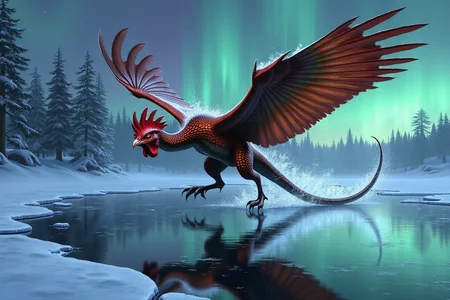
Powers: Mythological Cockatrices are infamous for their deadly gaze and breath, which could turn people to stone or cause instant death. Some stories also attribute it with the ability to fly and breathe fire.
Appearance in Dungeons & Dragons
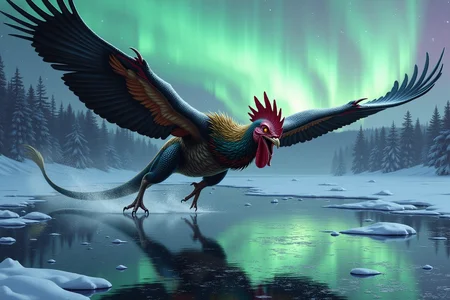
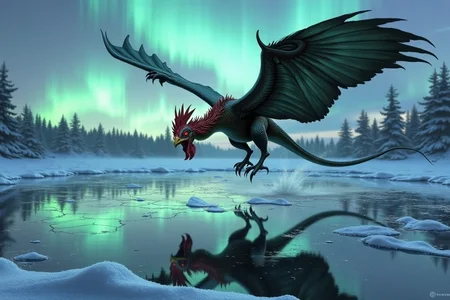
Physical Traits: In Dungeons & Dragons, the Cockatrice is depicted as a small, dragon-like creature with the head, wings, and legs of a rooster. It typically has a reptilian body and a long, barbed tail.
Abilities: The most terrifying feature of the Cockatrice in D&D is its petrifying bite. Any creature bitten by a Cockatrice must make a saving throw or be turned to stone temporarily.
Behavior: Cockatrices in D&D are often aggressive and territorial. They can be found in a variety of habitats, from dense forests to subterranean lairs.
Cultural Significance
Symbolism: The Cockatrice has symbolized many things over the centuries, including sin, heresy, and the dangers of unchecked curiosity. Its myth has been used in various literary works to convey themes of fear and caution.
Influence in Popular Culture: The creature has appeared in numerous fantasy novels, video games, and even films, cementing its place in modern popular culture.
Comparison to Similar Creatures
Basilisk: Often confused with the Cockatrice, the Basilisk is another mythical creature with a deadly gaze. However, Basilisks are typically depicted as larger and more snake-like.
Wyvern: Another dragon-like creature, the Wyvern shares some physical similarities with the Cockatrice but lacks the petrifying abilities.
Conclusion
The Cockatrice remains a fascinating blend of myth and fantasy. Its terrifying abilities and unique appearance continue to make it a staple in both ancient folklore and modern fantasy gaming. Whether turning foes to stone in a D&D campaign or haunting medieval legends, the Cockatrice is a creature that embodies the wonder and fear of the mythical world.
Description
FAQ
Details
Available On (1 platform)
Same model published on other platforms. May have additional downloads or version variants.