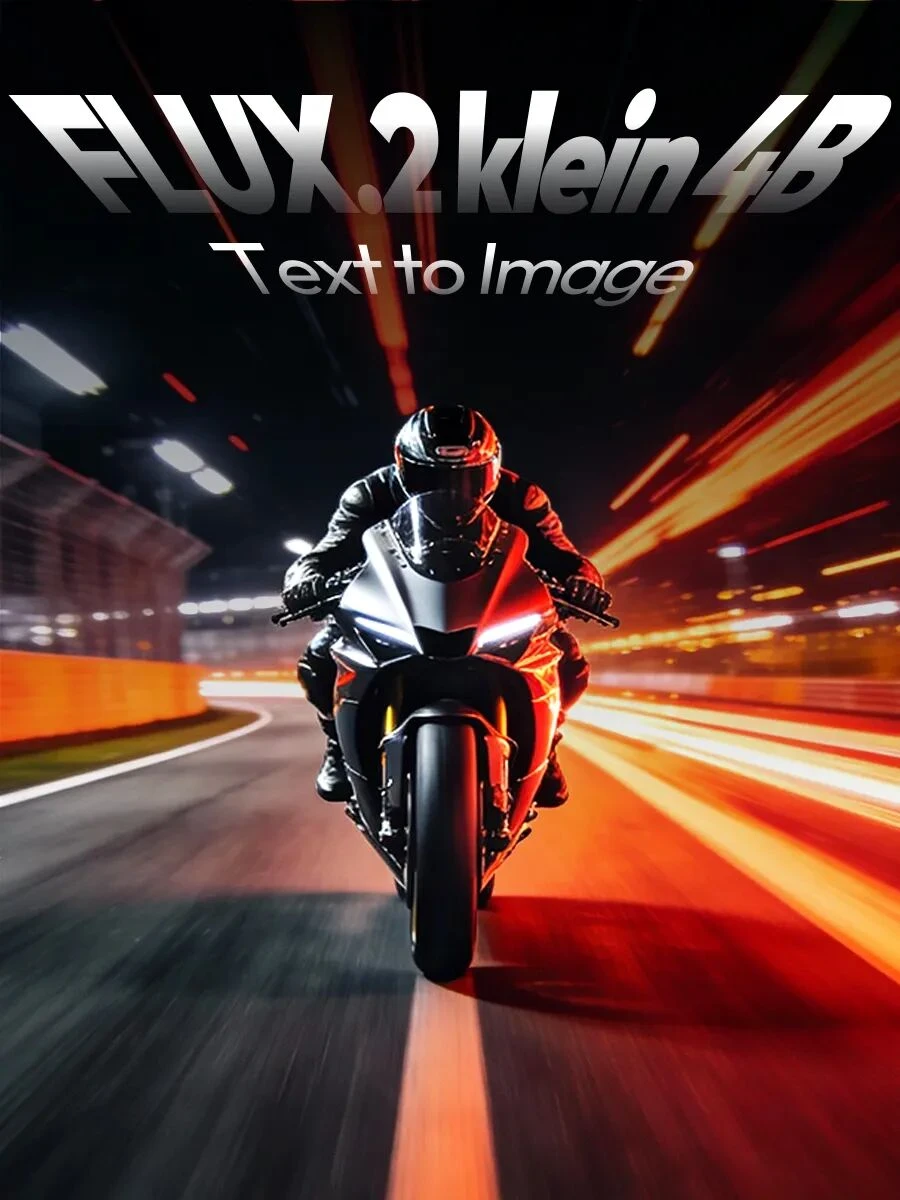
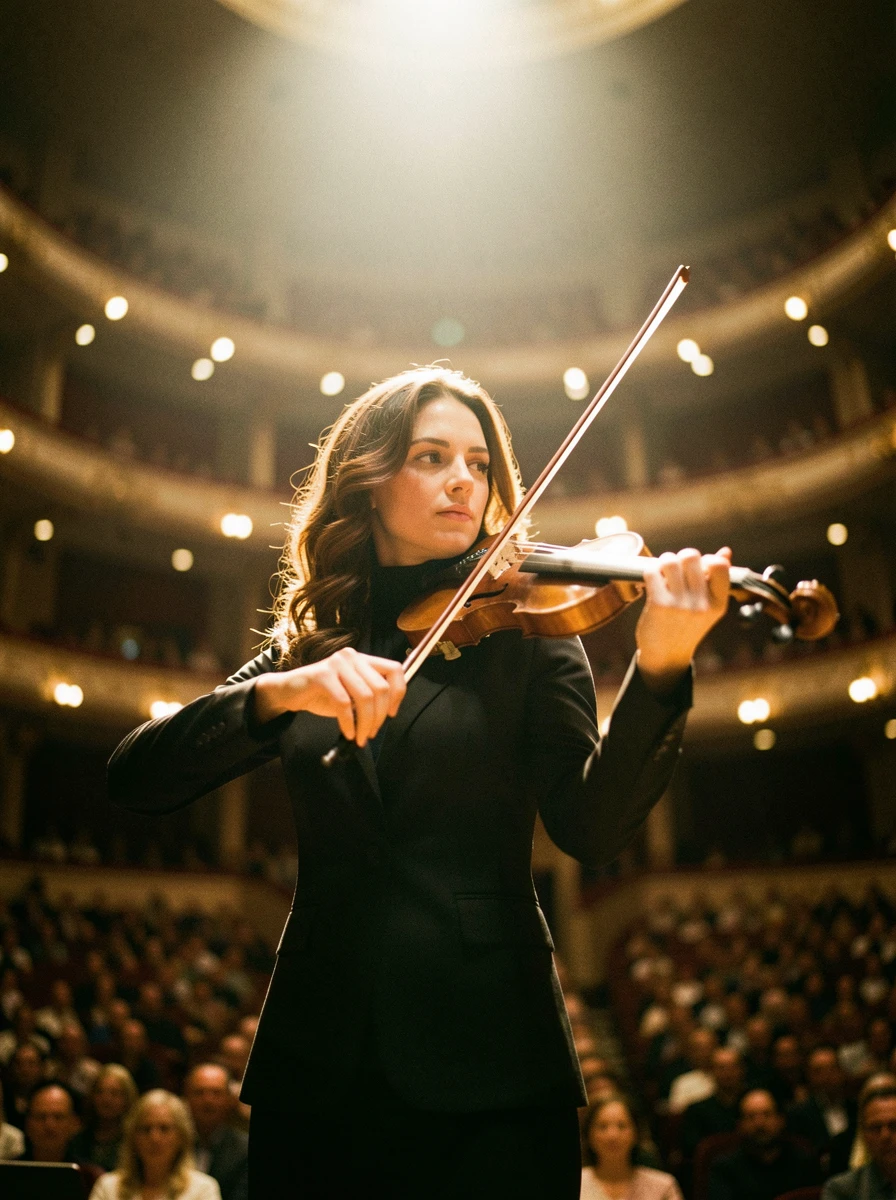
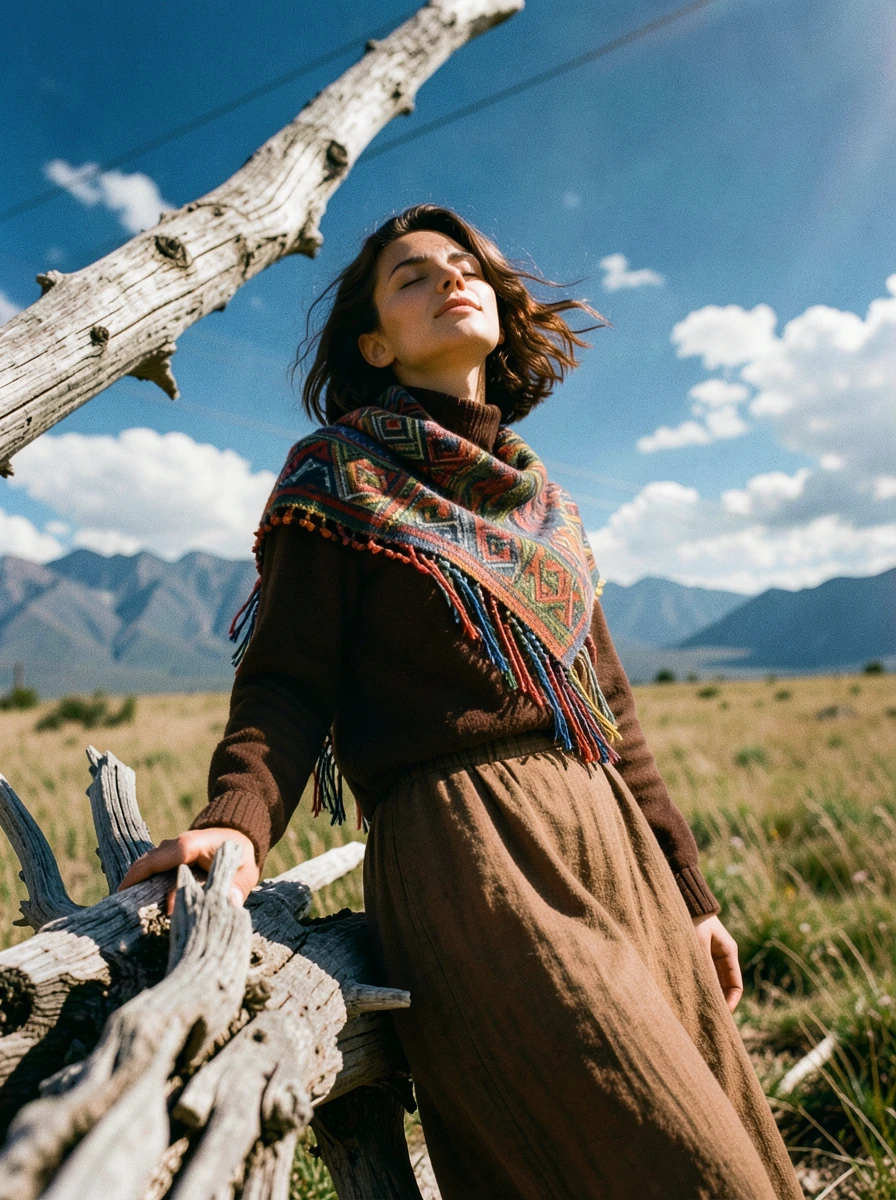
FLUX.2 [klein] on SeaArt AI
Description
FLUX.2 [klein] 9B Text to Image on SeaArt AI
If you want images fast but you also hate “fast and messy,” this is the model to try. FLUX.2 [klein] 9B is Black Forest Labs’ flagship small model, built for near real-time text to image while staying surprisingly sharp on details like skin, materials, and lighting.
This isn’t a slow, precious studio model. It’s for people who iterate. A lot.
👍What It’s Best at
· Cleaner realism when faces, reflections, and textures usually fall apart.
· Better prompt adherence on busy scenes and specific style constraints.
· High quality previews at low latency, so you can explore variations without waiting for minutes.
Under the hood, it’s a 9B flow model with a Qwen3 text embedder, distilled down to 4 inference steps. That’s the reason it can stay quick without feeling like a toy.
Speed and Hardware, the Honest Version
BFL positions klein for sub-second generation and editing, with “under 0.5s” on modern hardware in their release notes, and it’s meant to run on consumer GPUs depending on the variant and setup.
The trade-off is simple: 9B gives you more fidelity than 4B, but it costs more compute. If you mostly need rough ideation at maximum speed, 4B is easier day to day. If you care about “this could ship,” 9B is usually worth it.
Base vs Distilled (which one to pick)
· Distilled 9B: the fast loop. Great for generating lots of options quickly.
· 9B Base: more flexibility and output diversity, better for research, fine-tuning, LoRA work, and custom pipelines where control matters more than speed.
📒License Note (Important)
The 9B klein models are under the FLUX Non-Commercial License. That’s fine for research, evaluation, and personal projects, but commercial use typically needs a separate agreement.
Safety and responsible use
BFL ships inference filters for and protected content and requires filters or manual review for 9B under the license terms.
🧐How to Get Great Results on SeaArt AI
Start simple. Then add constraints only when you need them.
Prompt formula:
Subject + key attributes + environment + lighting + composition/lens + style
Example prompt:
“Ultra-realistic product photo of a translucent perfume bottle on wet stone, soft diffused studio lighting, shallow depth of field, crisp reflections, premium editorial style”
One practical tip: if results feel “pretty but wrong,” delete words before adding more. Overprompting is the fastest way to lose control with any fast model.
Try it now
Generate 8 to 12 variations quickly, pick the one that has the right structure, then refine. klein 9B shines when you treat it like a rapid creative loop, not a one-shot miracle.