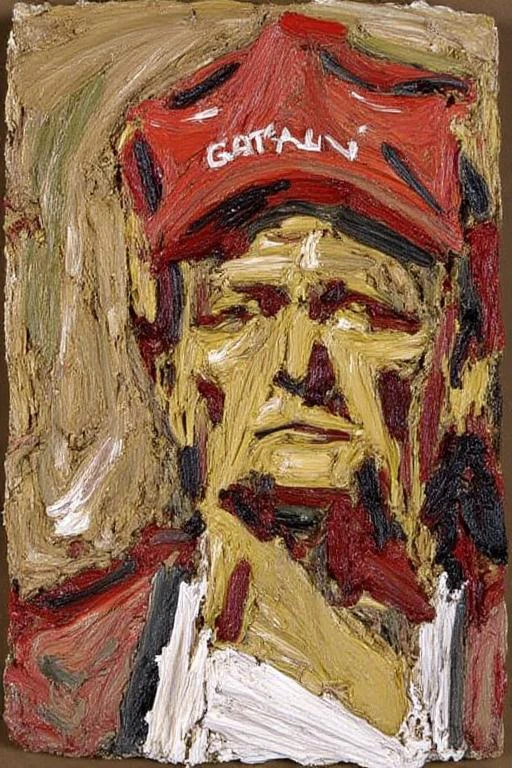
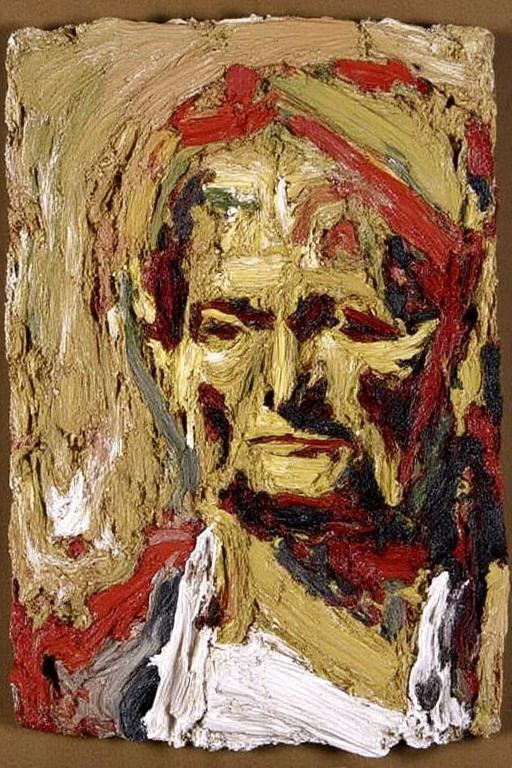
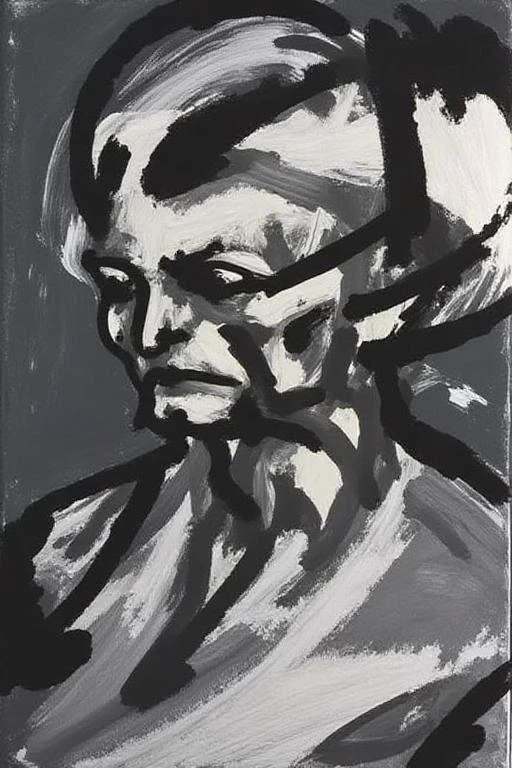
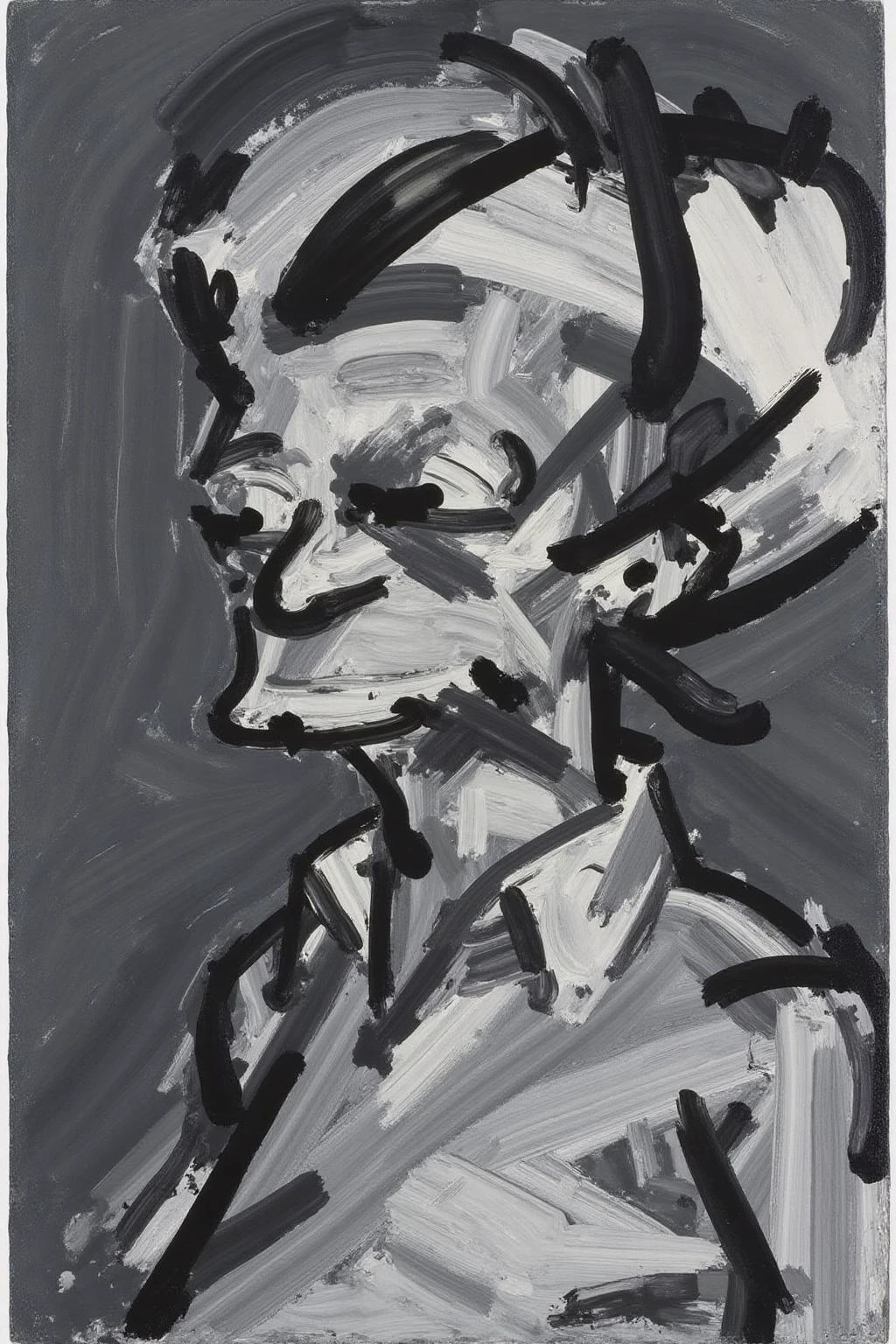
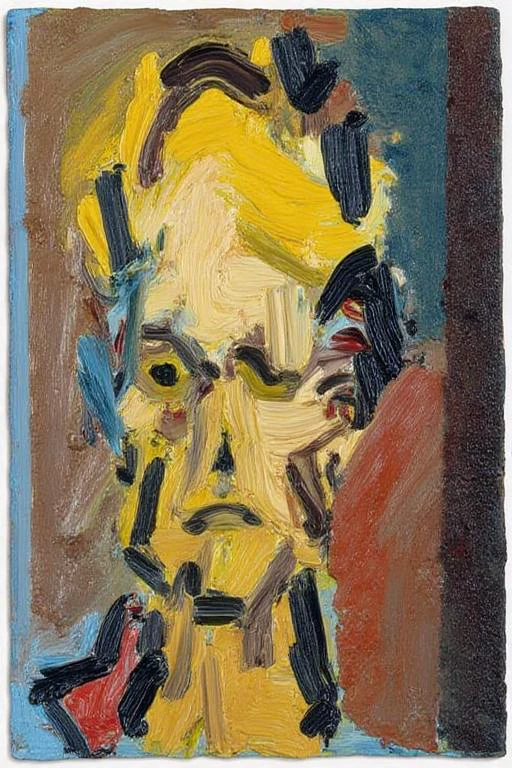
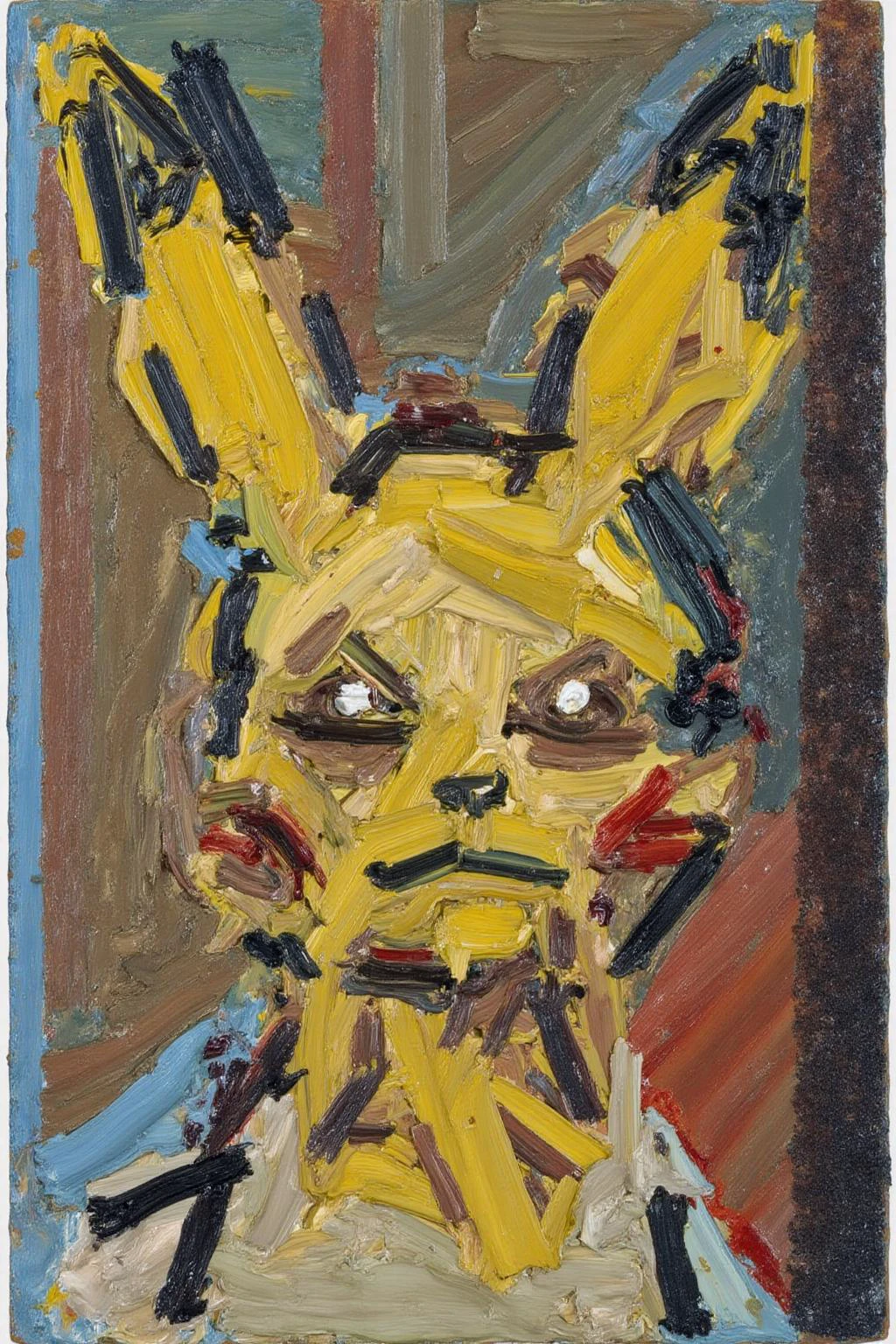
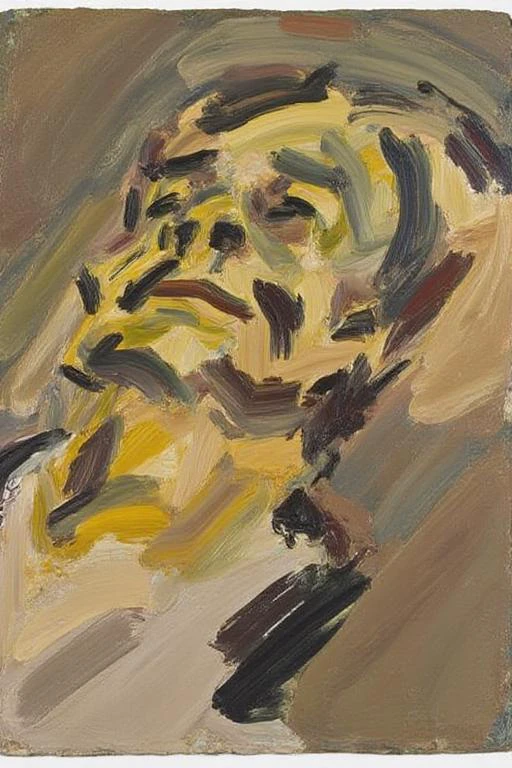
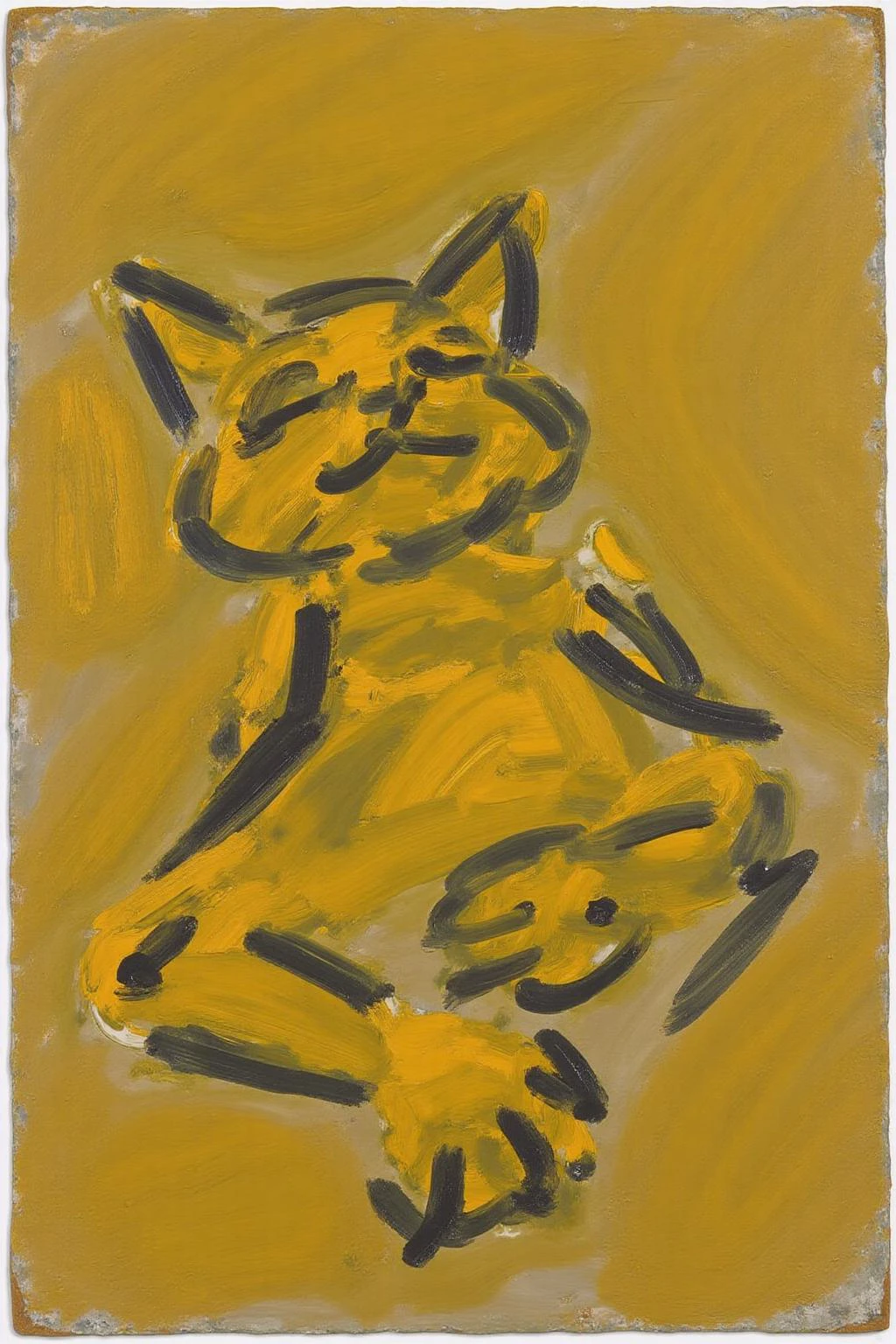
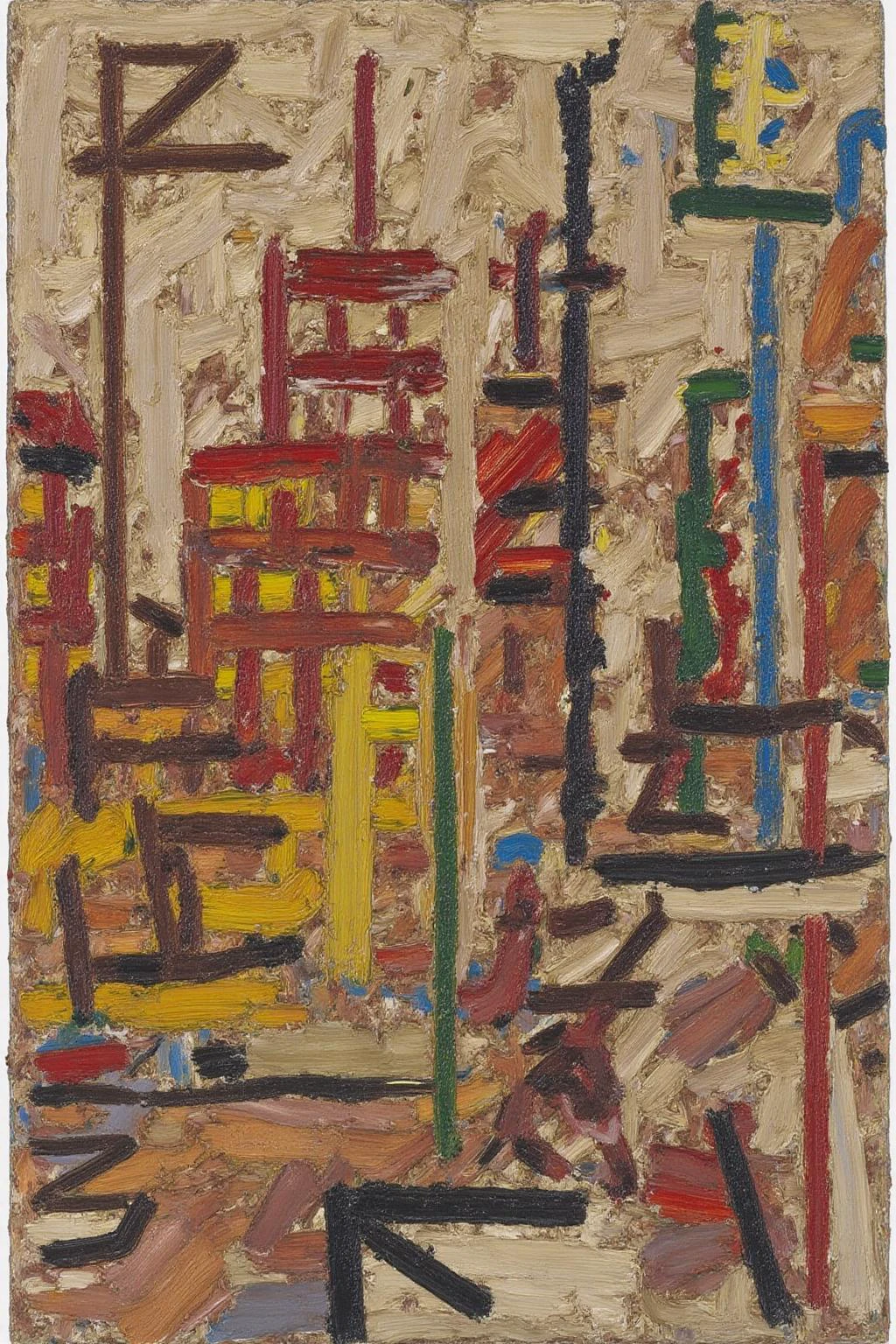
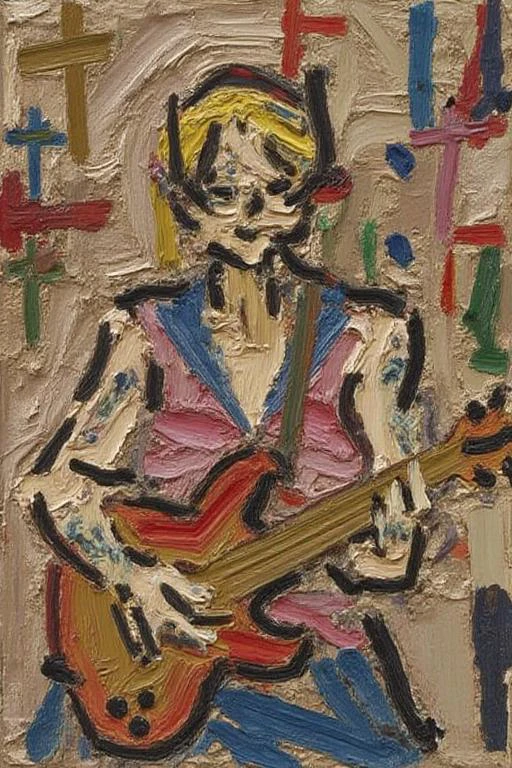
Trained on twenty-one Frank Auerbach paintings.
The best way to use the LoRA is to take a look at the image gallery, pick one you like and use it as a template by replace the subject with whatever you want to render. This way, you will get an image that is closer stylistically to the original.
But feel free to just have fun with it 😹. If you post your first image directly here (click on "Add Post" above the gallery), I will give you 10 buzz for that image 😎 (If I forgot, just complain loudly 😹)
I first learned about him from the economist's obituary column: Frank Auerbach aimed only at one memorable image, and I found his paintings very interesting, so I want to try to see what kind of LoRA I make out of them.
From ChatGPT:
Frank Auerbach (1931/04/29–2024/11/11) is a German-born British painter renowned for his expressive and intense works that focus on portraiture and urban landscapes. He is considered one of the most significant post-war artists in Britain. Auerbach's works are known for their thickly applied paint, raw textures, and emotional power, reflecting his deep engagement with his subjects and the process of painting itself.
Early Life and Background
Birth and Early Years:
Auerbach was born in Berlin, Germany, to Jewish parents. In 1939, at the age of 8, he was sent to England as part of the Kindertransport, a rescue mission for Jewish children fleeing ???? persecution. His parents remained in Germany and perished in the Holocaust.
Education:
He studied at Bunce Court School, a progressive boarding school in Kent, where his artistic potential was encouraged.
Later, he attended St Martin’s School of Art and the Royal College of Art in London. During this time, he studied under and was influenced by artists such as David Bomberg, who emphasized the importance of structure and the physicality of painting.
Artistic Career
Style and Technique:
Auerbach's art is characterized by its dense impasto—paint applied in thick layers, creating a three-dimensional texture on the canvas.
His work often involves scraping and reworking the surface repeatedly, sometimes over months or years, resulting in an intense physicality and depth.
He employs a limited palette, often earth tones and muted colors, but infuses them with dramatic energy and dynamic forms.
Subjects:
Portraiture: Auerbach repeatedly painted a small group of sitters, including close friends, relatives, and models, creating deeply personal and intimate works.
Urban Landscapes: He was fascinated by the changing landscapes of post-war London, capturing its gritty vitality and ever-evolving character.
Process:
Auerbach is known for his disciplined and obsessive approach to painting. He often worked on a single piece over an extended period, sometimes erasing or reworking entire sections in search of the "right" form.
Notable Works
Some of Auerbach’s most famous works include:
"Head of E.O.W." (1955):
A striking portrait of his long-time lover and muse, Estella Olive West, reflecting his early exploration of impasto and abstraction.
"Primrose Hill" Series:
A series of urban landscapes portraying the area around Primrose Hill in London, characterized by thick textures and a sense of movement.
"To the Studios" (1977):
An evocative painting that captures the essence of Auerbach's connection to his studio and artistic process.
Artistic Philosophy
Auerbach believed in the transformative power of painting, aiming to capture not just the physical appearance of his subjects but their emotional and existential essence. He sought to recreate his experiences on the canvas, allowing viewers to feel the intensity of his engagement with the world.
Recognition and Influence
Critical Acclaim:
Auerbach has been celebrated as one of the most important painters of his generation. His works have been compared to those of Francis Bacon, Lucian Freud, and Alberto Giacometti, with whom he shares an interest in the human condition and raw expression.
Awards:
In 1986, he represented Britain at the Venice Biennale, winning the prestigious Golden Lion for his contributions to painting.
Influence:
Auerbach's work has had a lasting impact on contemporary art, inspiring artists who explore texture, abstraction, and the expressive potential of paint.
Later Life and Legacy
Auerbach continues to paint and exhibit internationally, maintaining a rigorous work ethic into his later years.
His works are housed in major collections, including the Tate Gallery, the Museum of Modern Art (MoMA) in New York, and the National Gallery of Art in Washington, D.C.
Key Traits of His Work
Dynamic Energy: His paintings pulse with life, capturing both the physical and emotional essence of his subjects.
Textural Depth: His thickly applied paint creates a sculptural quality, making his works almost tangible.
Commitment to Process: Auerbach's repeated reworking of his pieces reflects his dedication to achieving authenticity and truth in his art.
Frank Auerbach's work stands as a testament to the enduring power of painting, offering a visceral and transformative experience that resonates deeply with viewers.
Description
Details
Files
Available On (1 platform)
Same model published on other platforms. May have additional downloads or version variants.