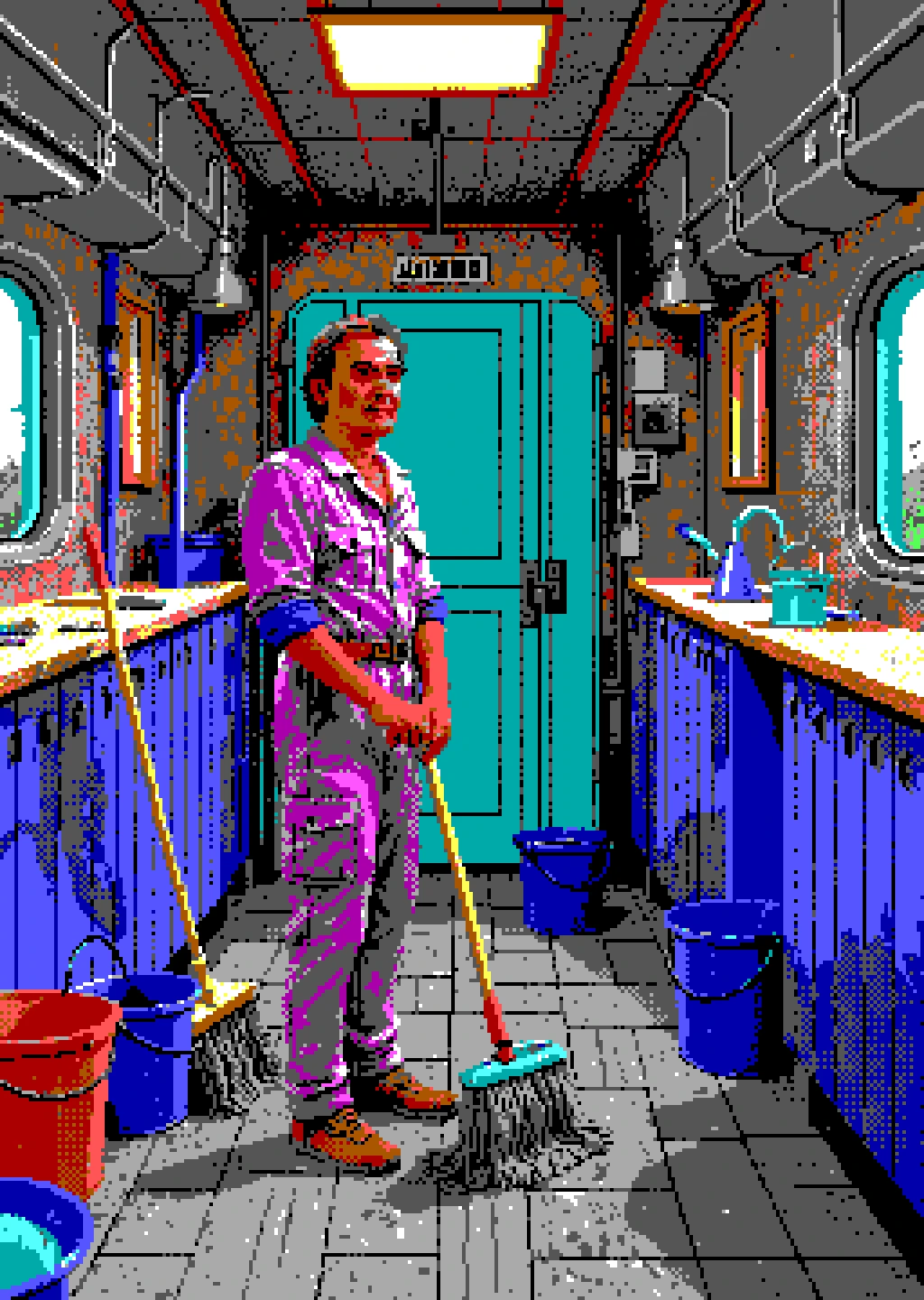
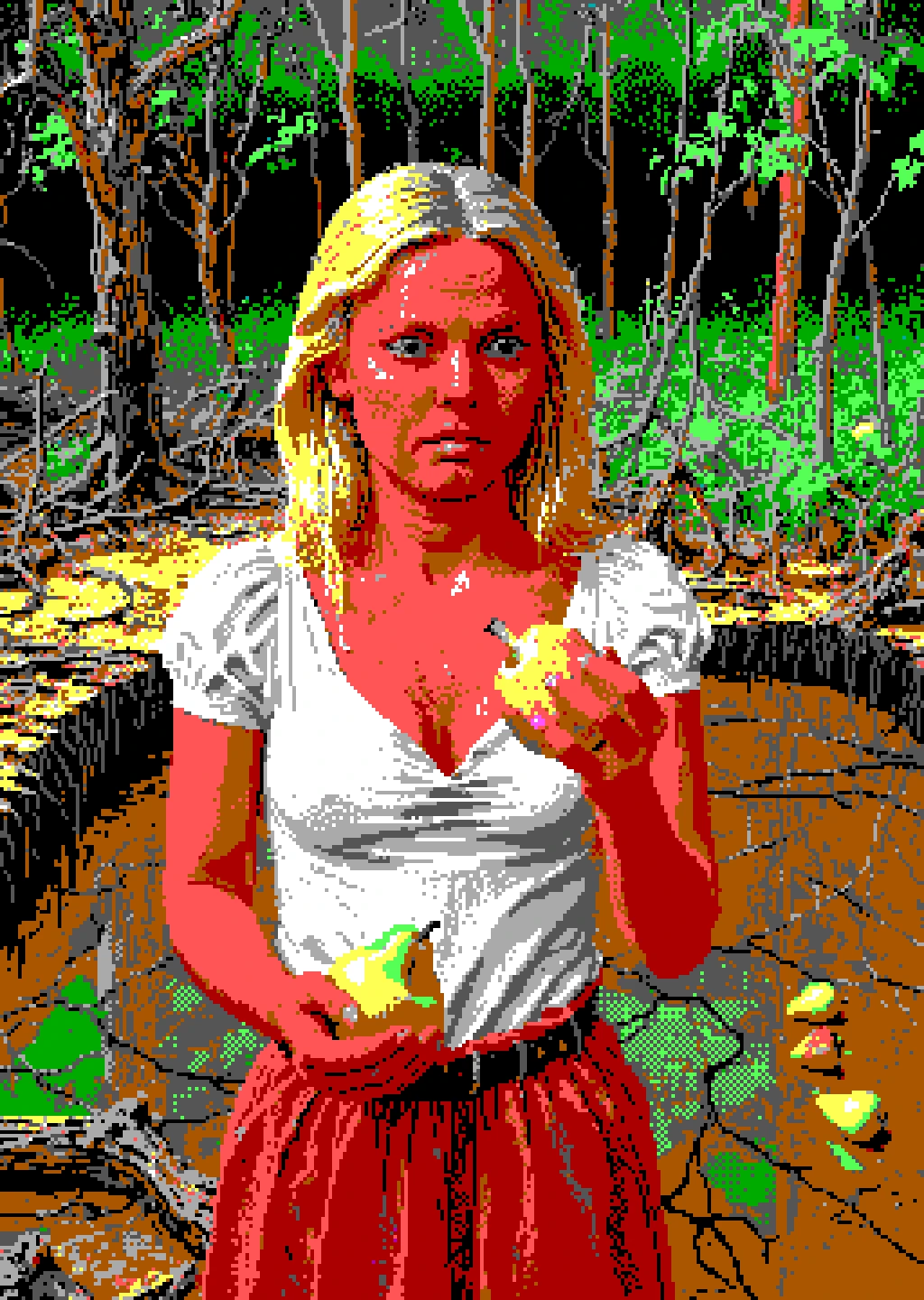
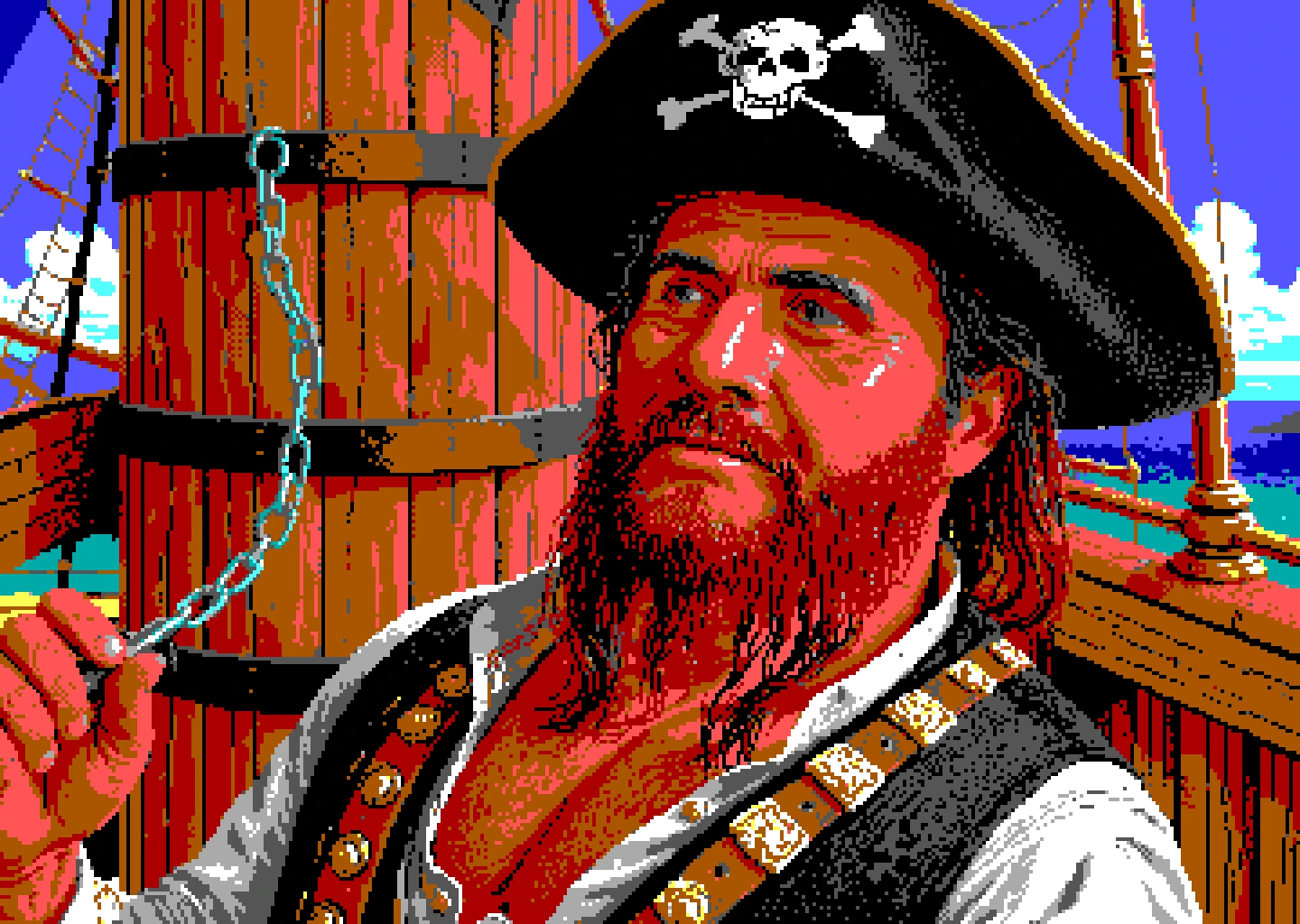

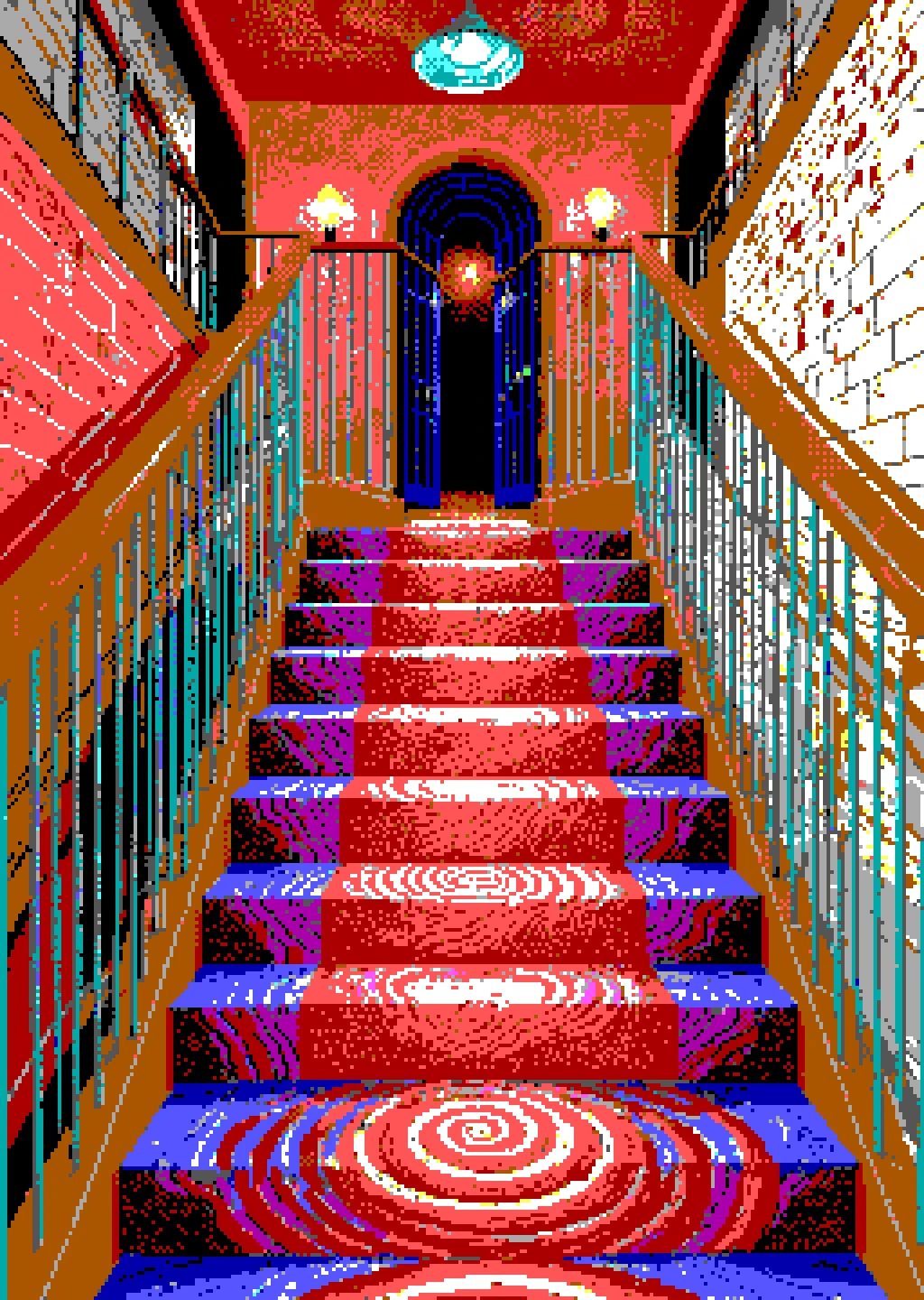
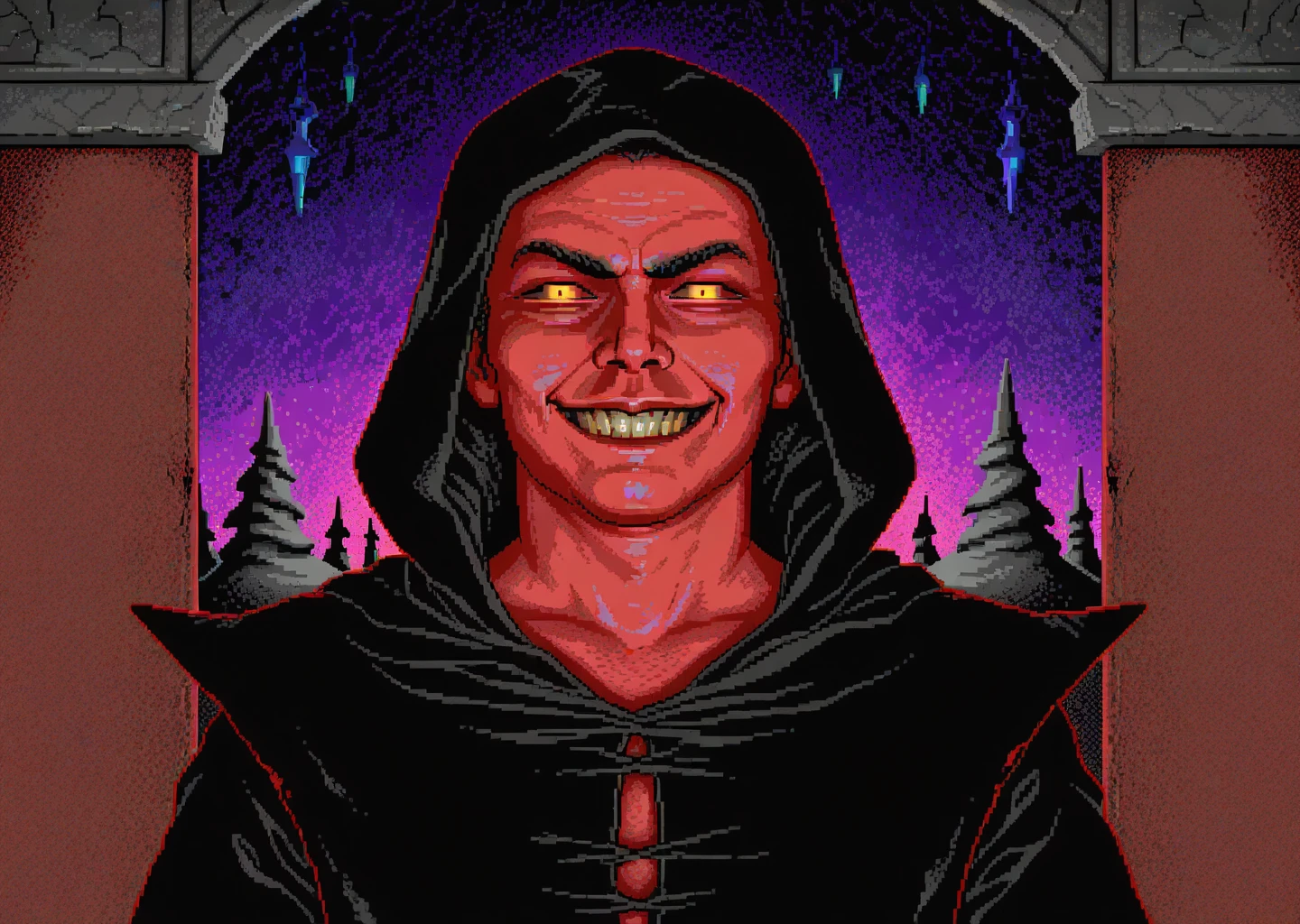
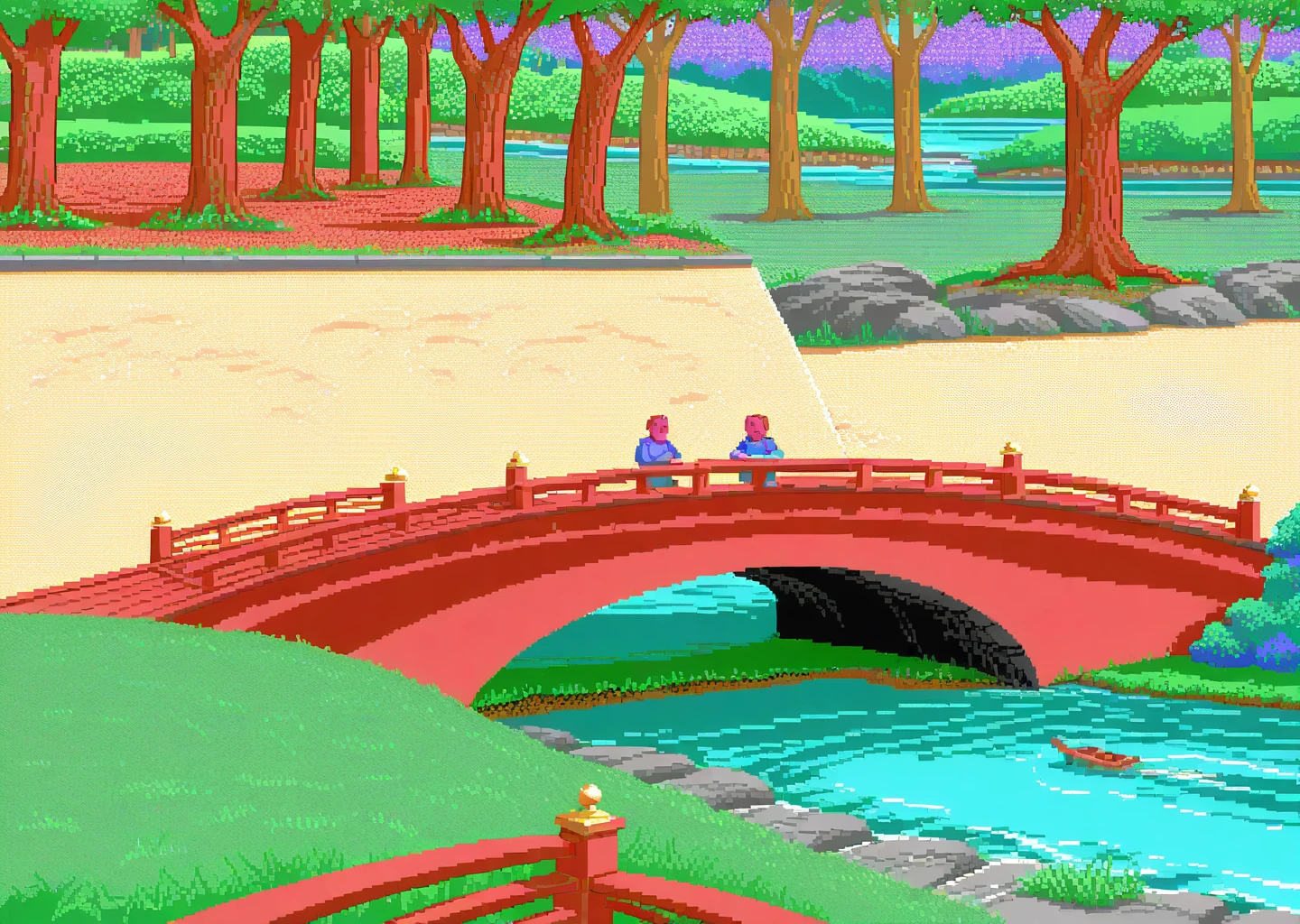


Training this was really hard. It's far from reliable. The trigger is a bit fussy. Sometimes pixel art helps, other times not. You'll need to experiment. I can recommend red skin if you want a delightful skin tone.
Finding good 16 colour EGA art took a lot of scouring and extracting art from old DOS games. I think that the pixel art gets scaled into buckets at too many slightly different sizes, and so it doesn't "see" dithered colours as consistently placed or distinct, instead blending them into what we perceive the dithering as. However, you can get sort-of approximations of EGA style, in that it gets the general broad strokes mostly right, like a faded memory of the 1980s. I guess that's appropriate. The digital artists of the era were true magicians who managed to make these terrible colours look like anything other than the choices an electrical engineer would pick. As are the modern day retro artists who willingly choose to work with this abominable scheme.
I feel if this Lora was burned for a lot longer, and I fiddled with the training images more, and figured out how to better fit the pixels to the bucketing sizes so that the scaling was consistent across buckets... it might be a little better. But that sounds like work. Combining it with a pixel art Lora or checkpoint may yield useful results... or not.
Random aside
Technically this is the CGA 16 colour set, though I'd guess most people old enough to remember would associate CGA with its set of even-more-restrictive four colour palettes. It wasn't until (expensive!) EGA cards came out that all 16 CGA colours could be used in 320x200 mode. From what I understand, EGA technically could pick 16 colours from a palette of ??, but only at ??0x350 resolution. 320x200 used the CGA-compatible colour palette because of monitor signalling. EGA cards were also kind of slow. Somewhat ironically, it wasn't until VGA that what we know of as EGA style became both affordable and commonplace, making it fairly short-lived.
Description
First version
Details
Files
Available On (1 platform)
Same model published on other platforms. May have additional downloads or version variants.