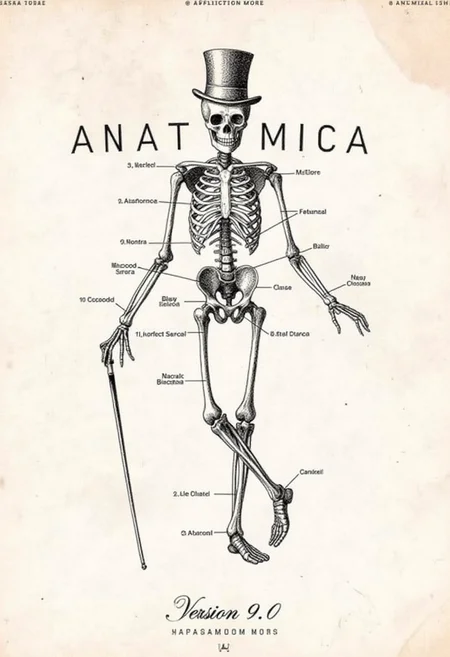
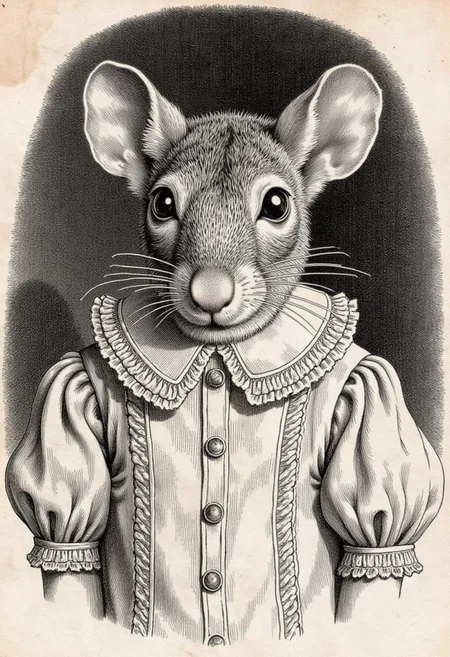
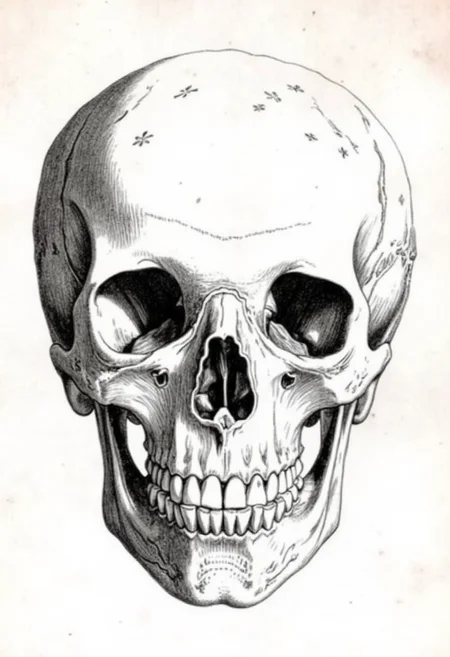
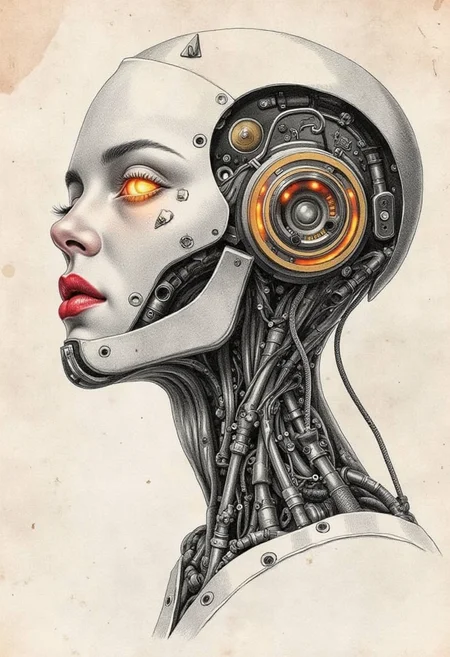
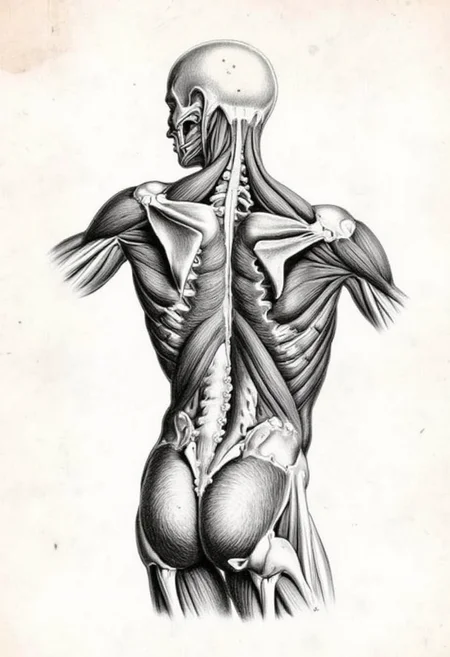
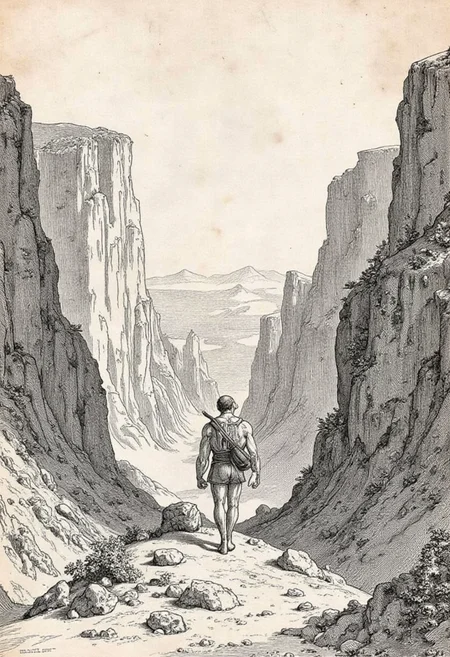
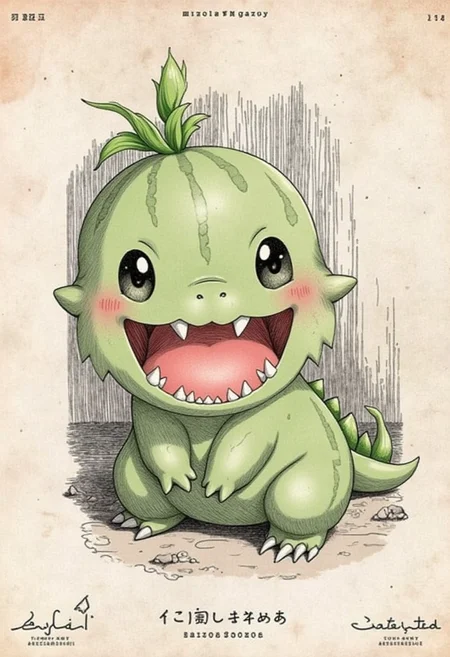
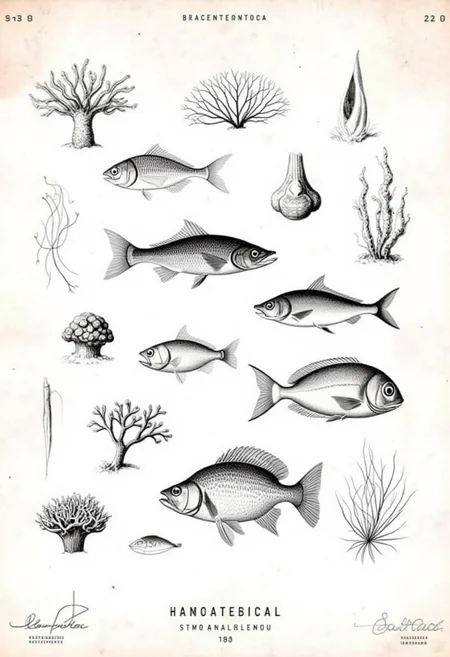
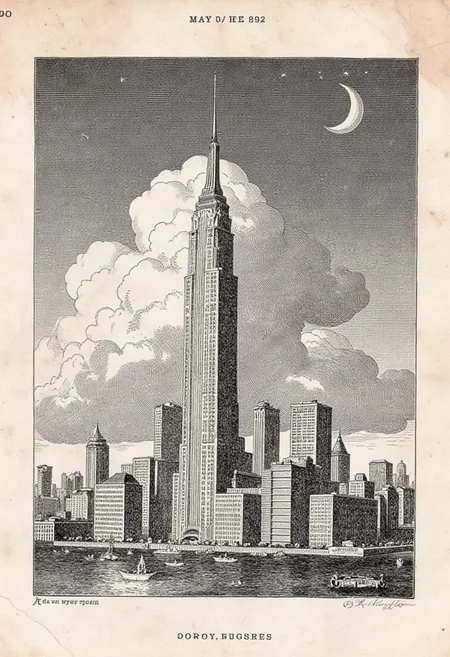
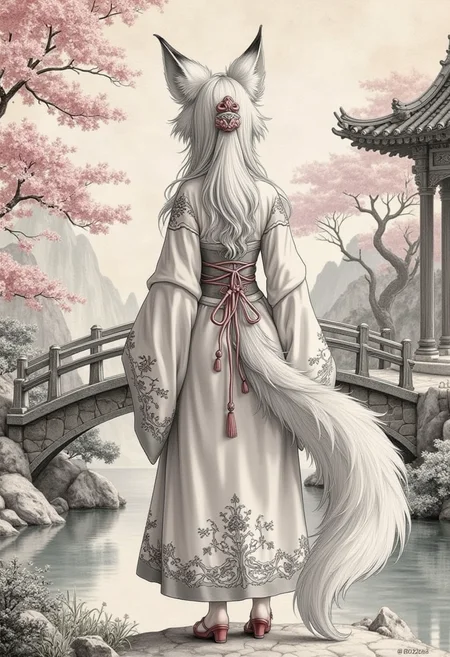
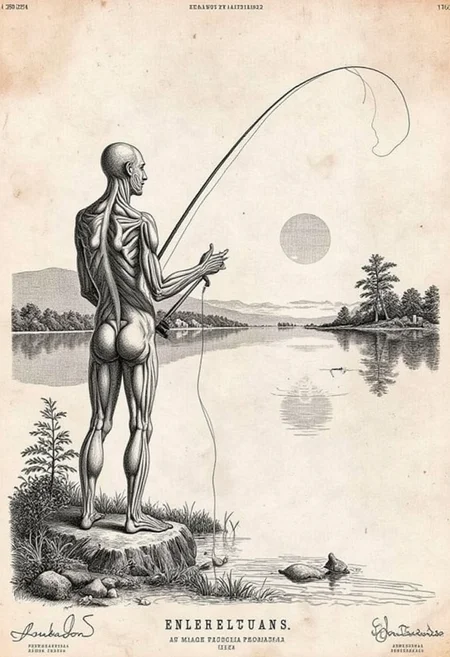
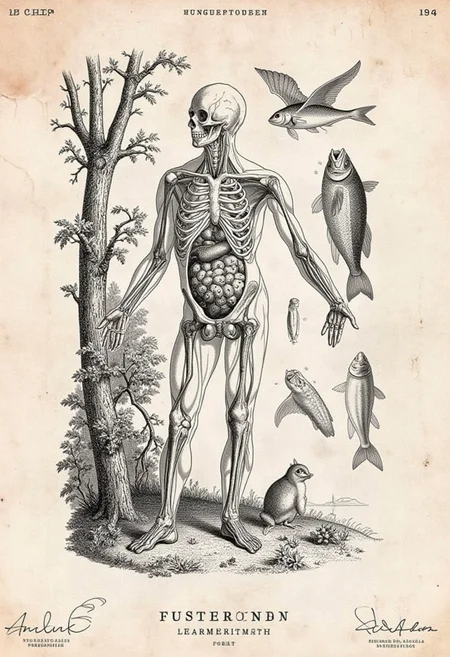
This model is also available on Mage with free and unlimited generations for October. For more Halloween models, visit: darkinfinity.art/halloween.
I post models on multiple sites, including exclusive ones on specific platforms. Follow me on X (Twitter) or Instagram for new model releases, bounties, and more.
The Magic of Ancien
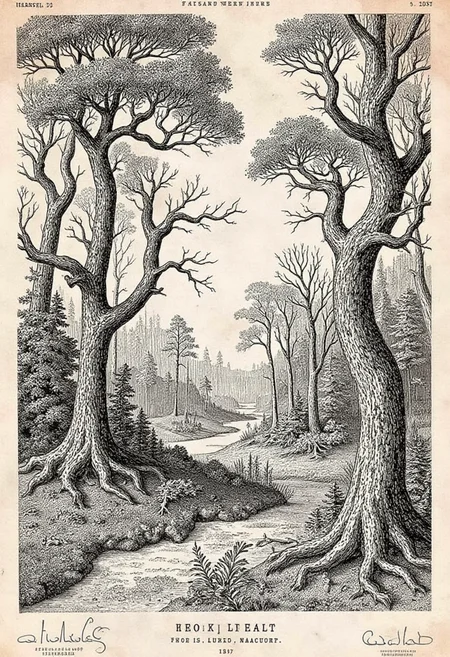
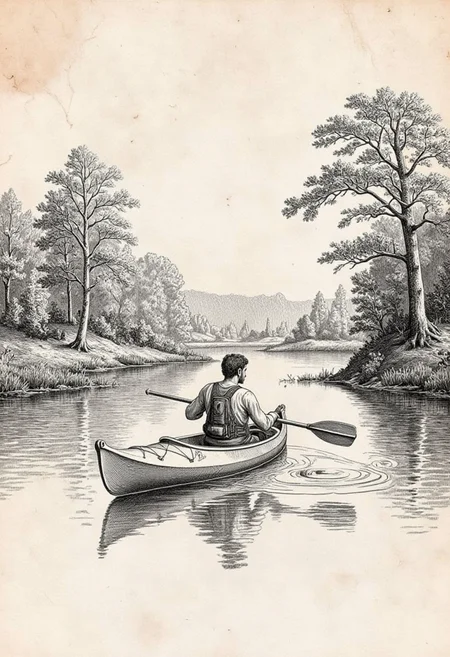
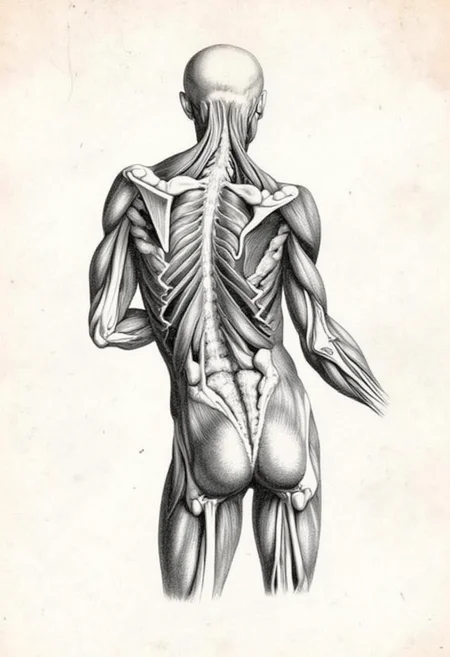
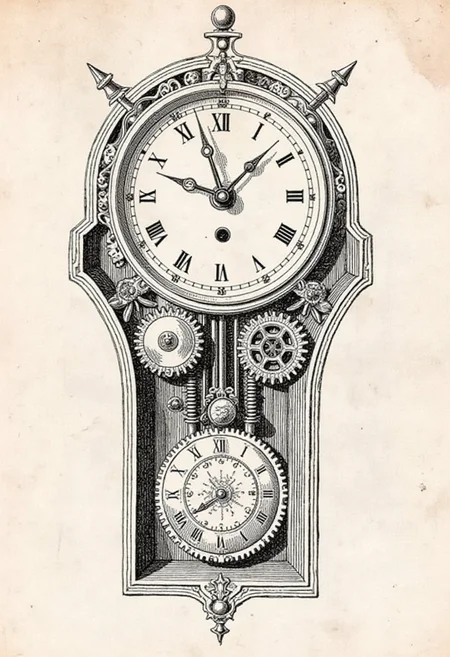
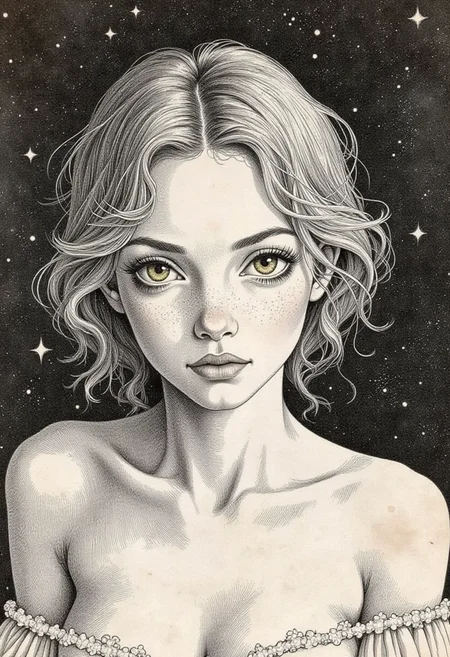
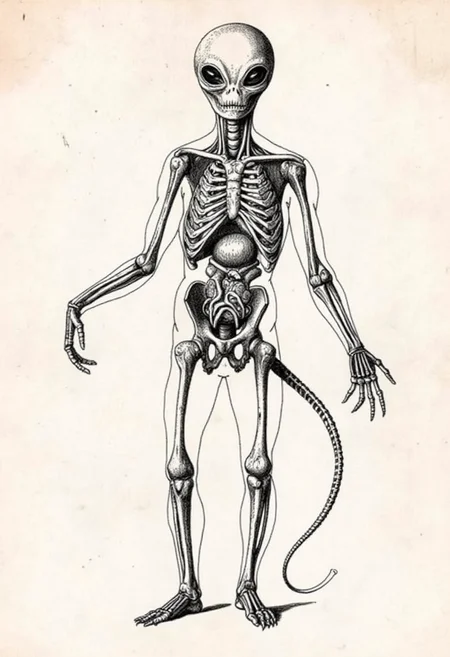
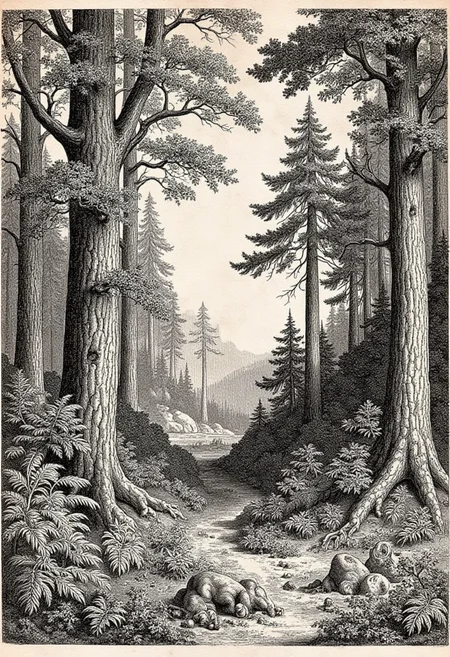
Anatomica is a flux LoRA created to replicate the style used for anatomy and medical engravings; however, the style transfers well and works great for any vintage-style image on old parchment.
Anatomica v9.0
I've been experimenting with anatomical since the first LoRA, but for the last three versions (v7, v8, and v9), I've been varying the use of multiple training resolutions. The previous two versions (v7 and v8) weren't different enough from v6 to post; however, the training of version 9.0 seems to have strengthened the LoRA's ability to apply a style without significantly changing the composition of the images. Prompting and trigger words are still the same as described in v6 below, but prompt adherence when using the LoRA is improved. After one final test, I'll share everything I've done and learned about training LoRAs for Flux in an article so others can learn from the Anatomica experiment.
Anatomica v6.0
Version 6.0 has simplified triggers with a much stronger ability to generalize. You need to prompt the trigger word “anatomica” and then one of the three styles outlined below:
Use “engraving” to mimic the appearance of an illustration created using an engraving plate. It should have shading and cross-hatching with fine lines work. The style often puts extra details expected of the style, such as plate labels or artist signatures.
Use “drawing” for simpler lines with less depth and cross-hatching than an engraving.
Use “illustration” to produce a color illustration with simple lines, similar to an image drawn with dark lines and colored pencils. If it stubbornly sticks to monochrome, you may need to prompt for the color.
Example prompts with emphasis on keywords:
“An engraving of a child flying a kite on a windy beach, with waves crashing in the background. The kite dances in the sky, tracing loops and spirals. anatomica, <lora:anatomica_v60:1>”
“A drawing of a group of fishermen casting their lines from a small wooden boat on a calm lake. The early morning mist rises from the water, and birds fly overhead. anatomica, <lora:anatomica_v60:1>,”
“An illustration of a fox standing still in a snowy field, ears perked, listening for the slightest sound. Snowflakes gently fall, dotting its fur with tiny white specks. anatomica, <lora:anatomica_v60:1>,”
The LoRA also transfers other features of anatomical sketches to new subjects. Use phrases that include “labels with lines pointing at … “ to prompt an image with sketched labels. Titles and notes can also be prompted.
Description
Version 9.0 was created using multiple resolutions during training, which seems to have strengthened the LoRA's ability to apply a style without significantly changing the composition of the images. Prompting still follows version 6.0, but prompt adherence when using the LoRA is improved.
FAQ
Comments (6)
It reproduces very well the appearance of the antique engravings 👍
Thanks!
This is woodcut illustration btw
While it was trained on images dating back to when woodcut engraving techniques were popular, most images were from later works such as Tabulae sceleti et musculorum corporis human from the early 18th century. By that time, copper plate engraving was more popular, and many more examples had survived. Interestingly enough, Jan Wandelaar (the engraver of the previously mentioned work) referenced earlier woodcut works from the 16th century and "updated" them by etching them into copper plates.