
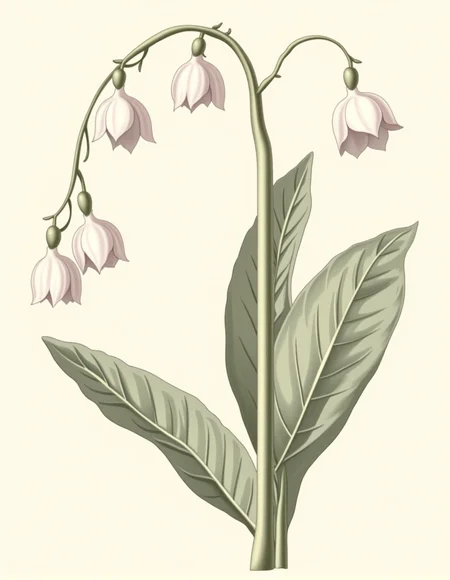
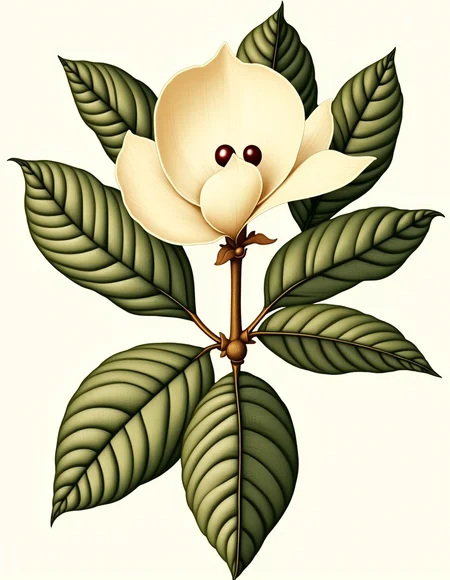
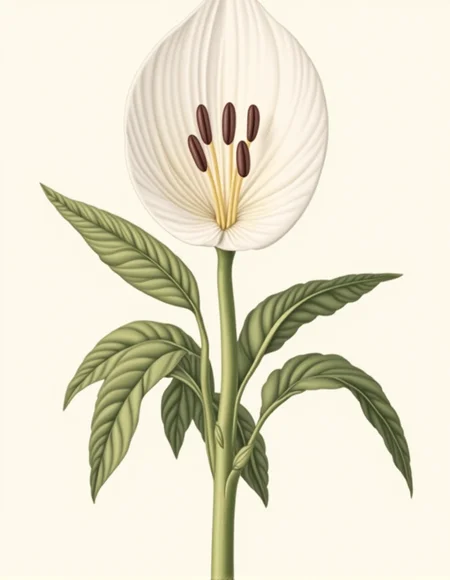
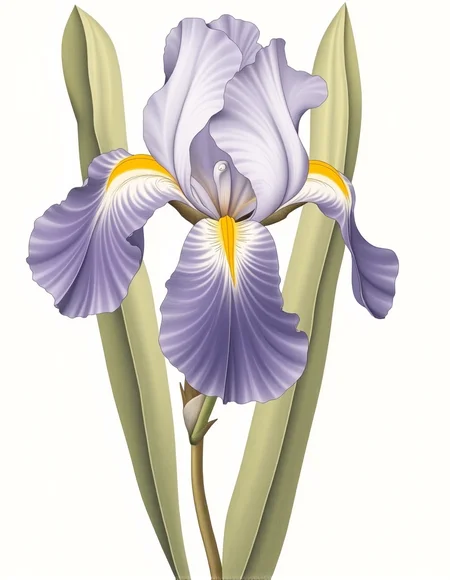
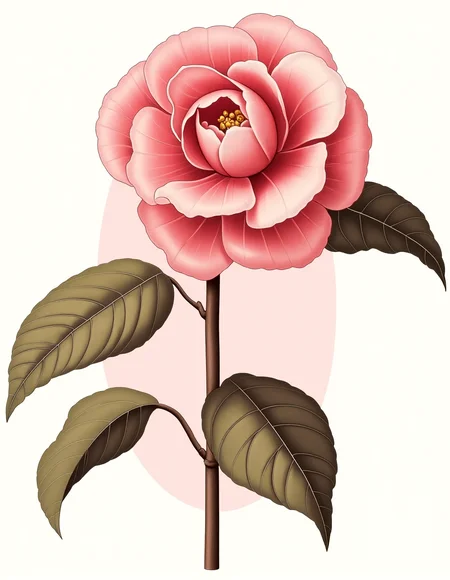
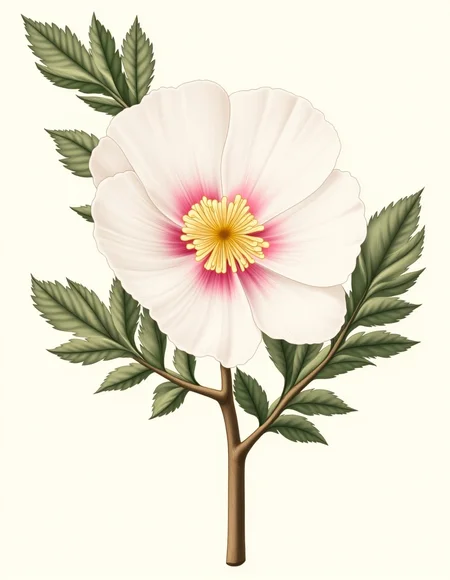
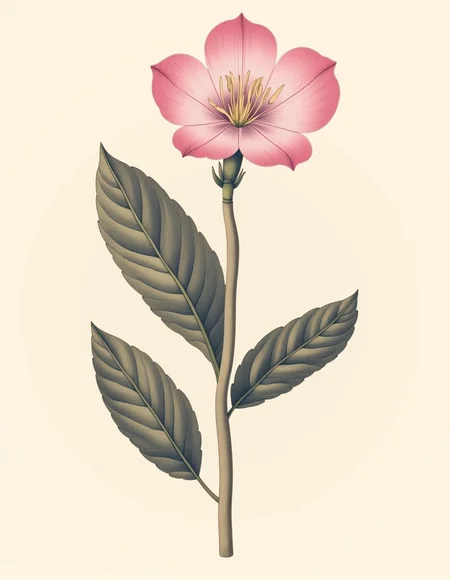
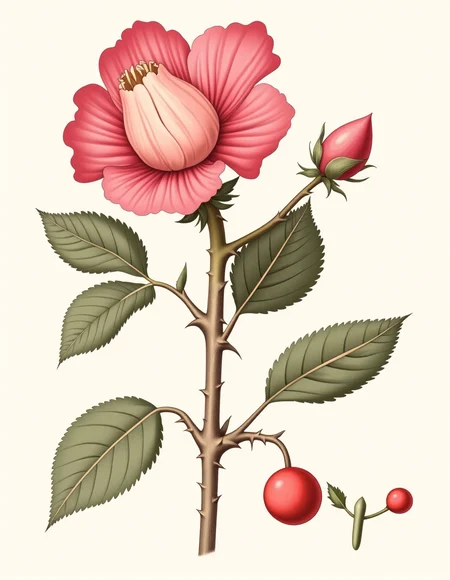
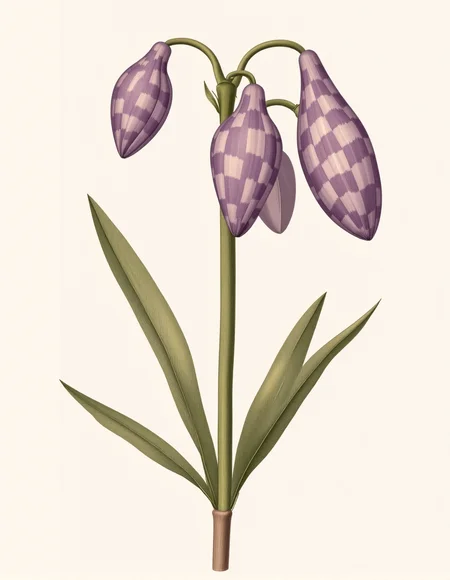
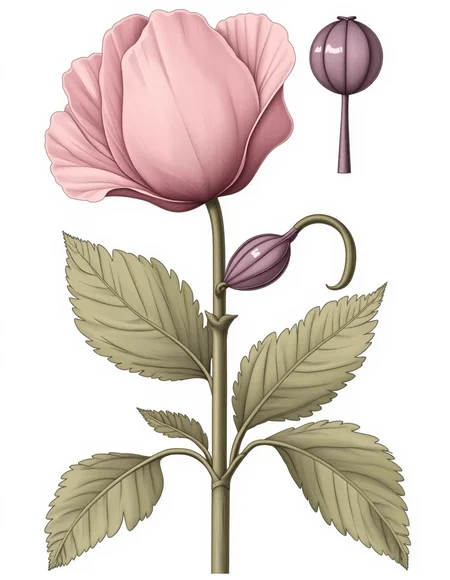
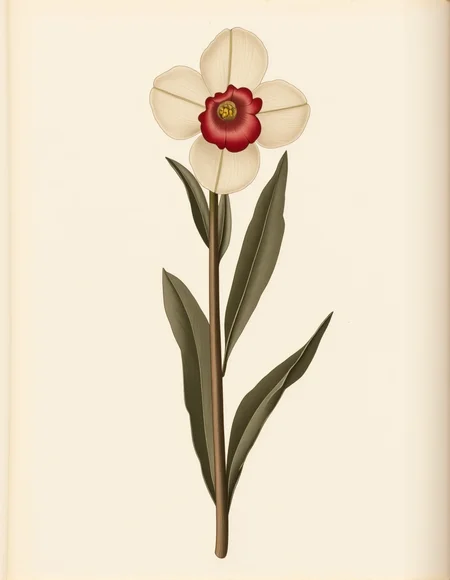
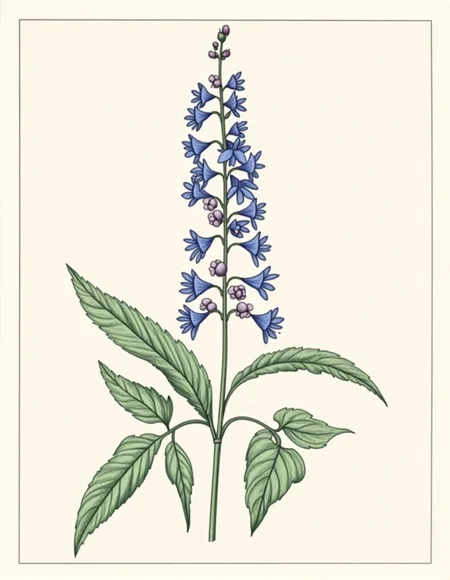
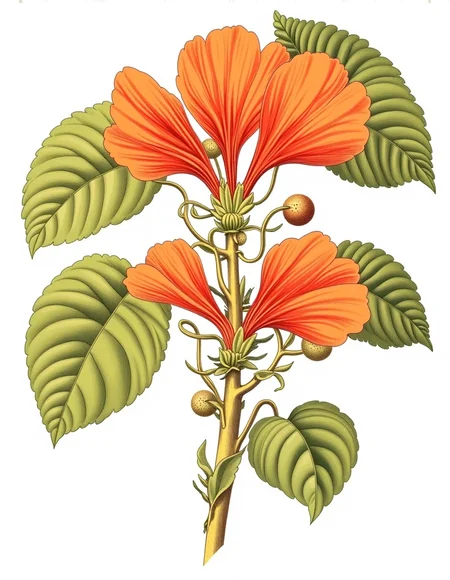
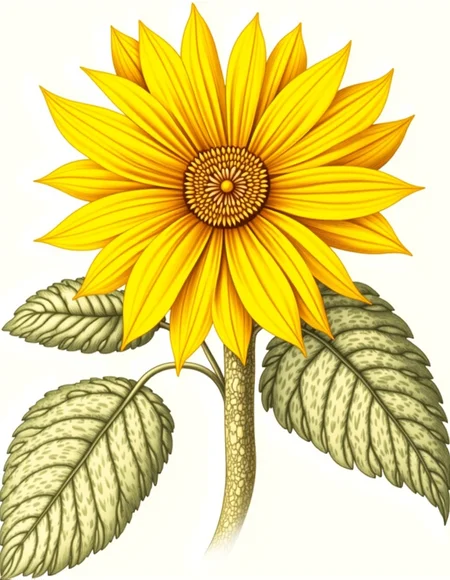

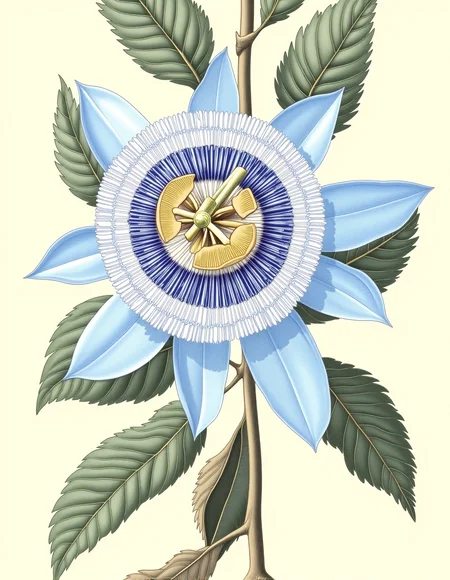
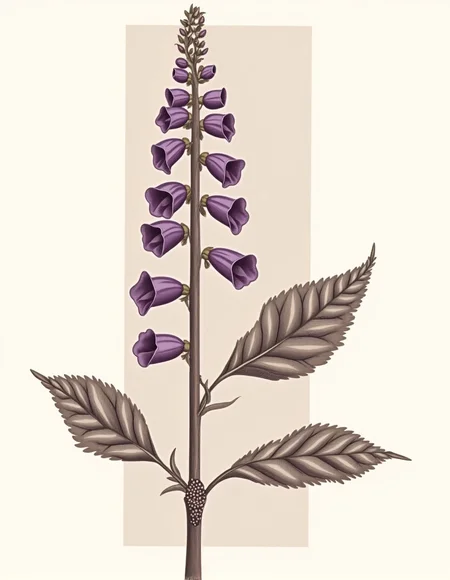
Century Botanical Illustration refers to botanical illustrations created during the 18th century, a period known as the "Century of Botanical Illustration." This era was characterized by significant advancements in botanical exploration and the documentation of plant species through detailed illustrations.
During this time, botanical illustrations played a crucial role in documenting and classifying plants. They were used to identify and describe newly discovered species, as well as to aid in the study of plant anatomy, medicinal uses, and horticulture.
Century Botanical Illustration often featured meticulous attention to detail, capturing the structure, form, and intricate characteristics of plants. Artists employed various techniques, including watercolor, gouache, pen and ink, and engraving, to create accurate and visually appealing representations.
Prominent botanical illustrators of the 18th century include Maria Sibylla Merian, Pierre-Joseph Redouté, and James Sowerby, among others. Their illustrations not only served scientific purposes but also had an artistic quality, showcasing the beauty and diversity of the plant kingdom.
These botanical illustrations are treasured for their scientific accuracy and aesthetic appeal. They continue to be admired and studied by botanists, artists, and nature enthusiasts, providing valuable insights into the world of plants and serving as a testament to the intersection of art and science during the 18th century.
Description
FAQ
Comments (2)
These are a nice idea- once had a book with exactly this type of plate, protected by a leaf of translucent paper. However, the mistakes AI makes in this type of image clash with our inherent understanding of plant correctness, so sadly I've never liked the output from any of this class of LORA. I don't see how the problem can be fixed either.
Yes, A.I. being probabilistic, will always hallucinate, unless trained strongly by say one LoRA for each specific type of plant.
These types of LoRA can only be used for their aesthetic appeal and not used for scientific illustrations of any kind.
Fortunately for science, there are probably enough accurate photos out there already.