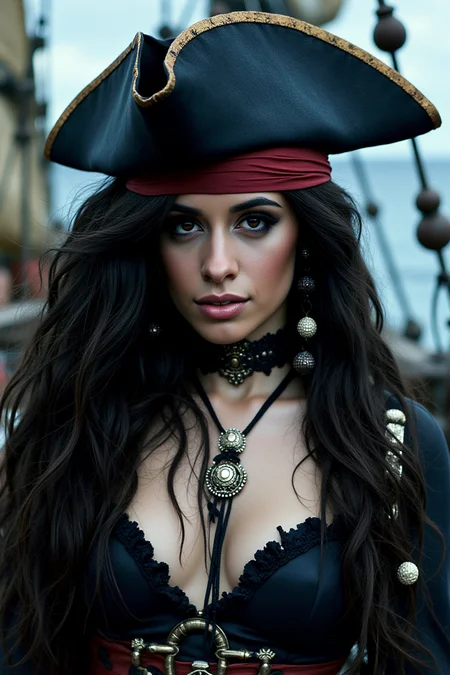
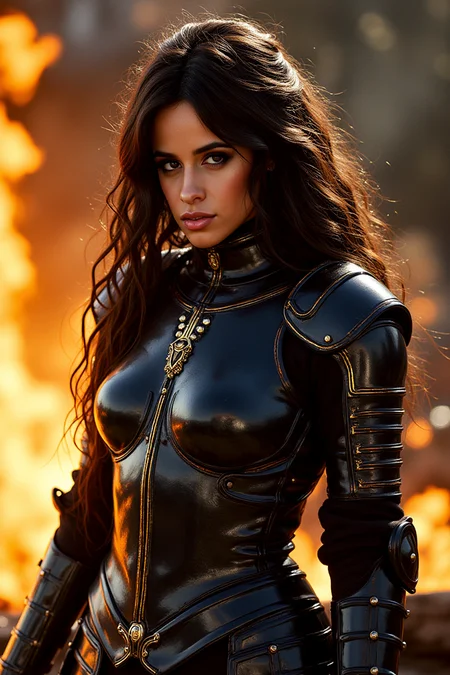
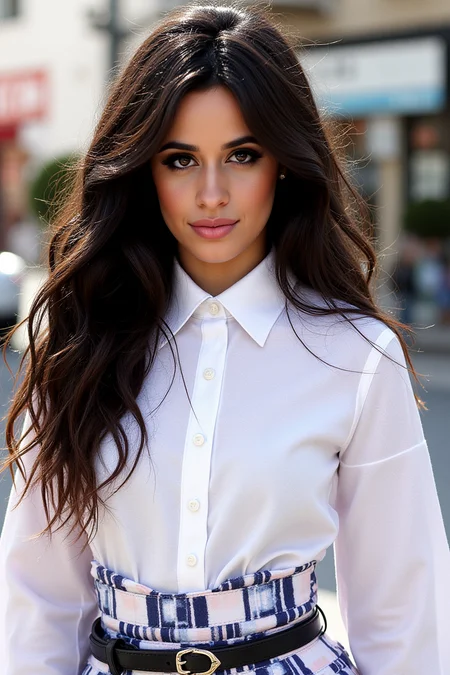
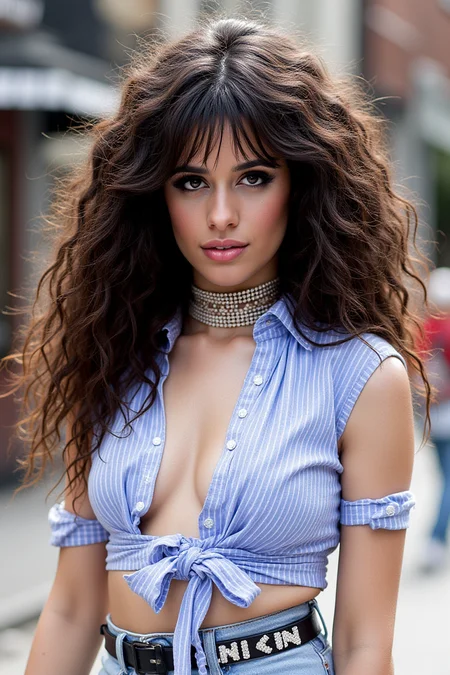
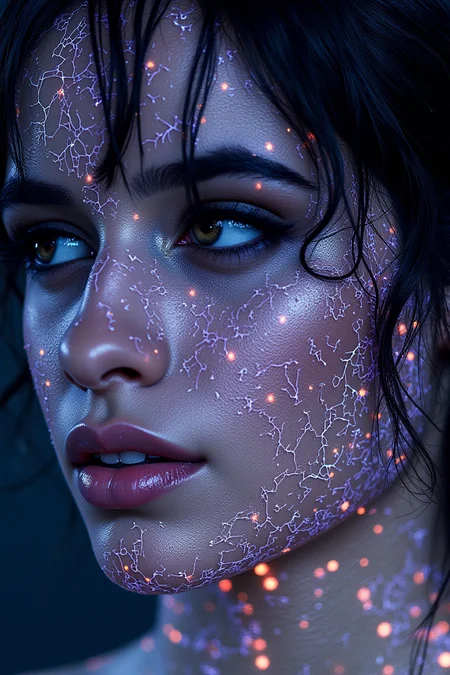
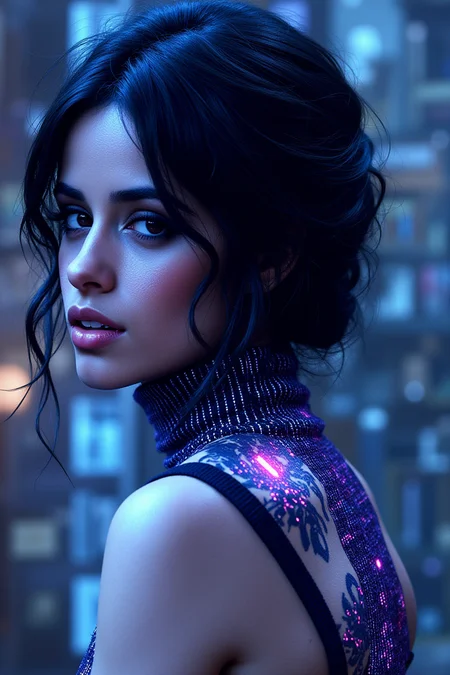
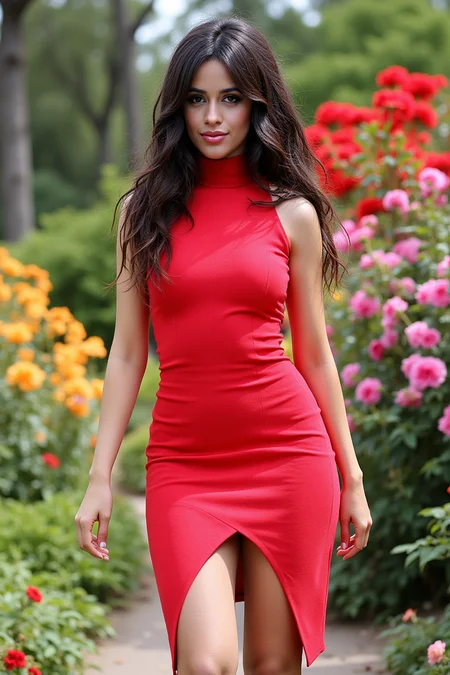
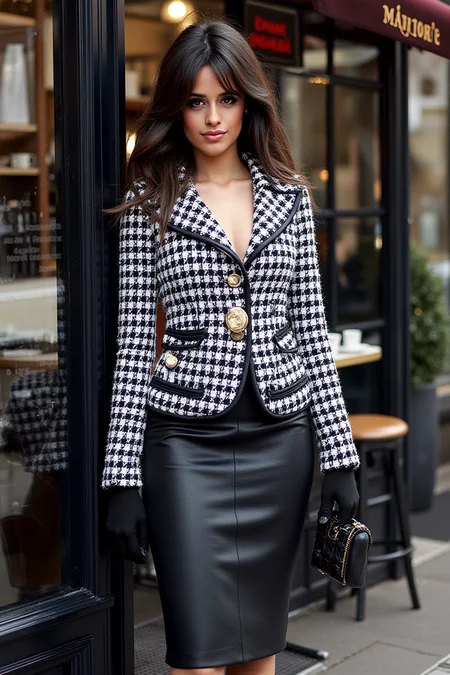
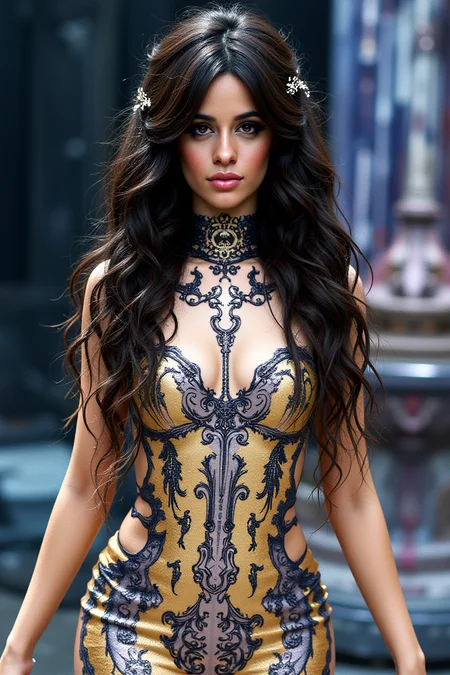
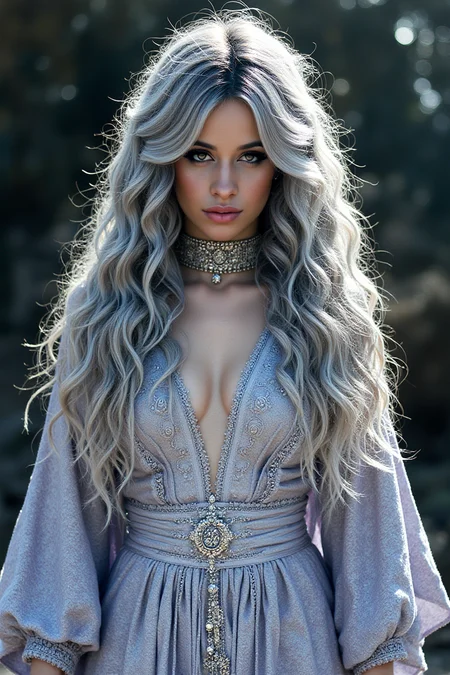
Camila Cabello, an American singer.
😍 (◕‿◕) 🚩
Custom LoRA & TI (Embedding) orders now open! Starting at $8 per model.
Same quality as this LoRA — just $8 each.
Details here.
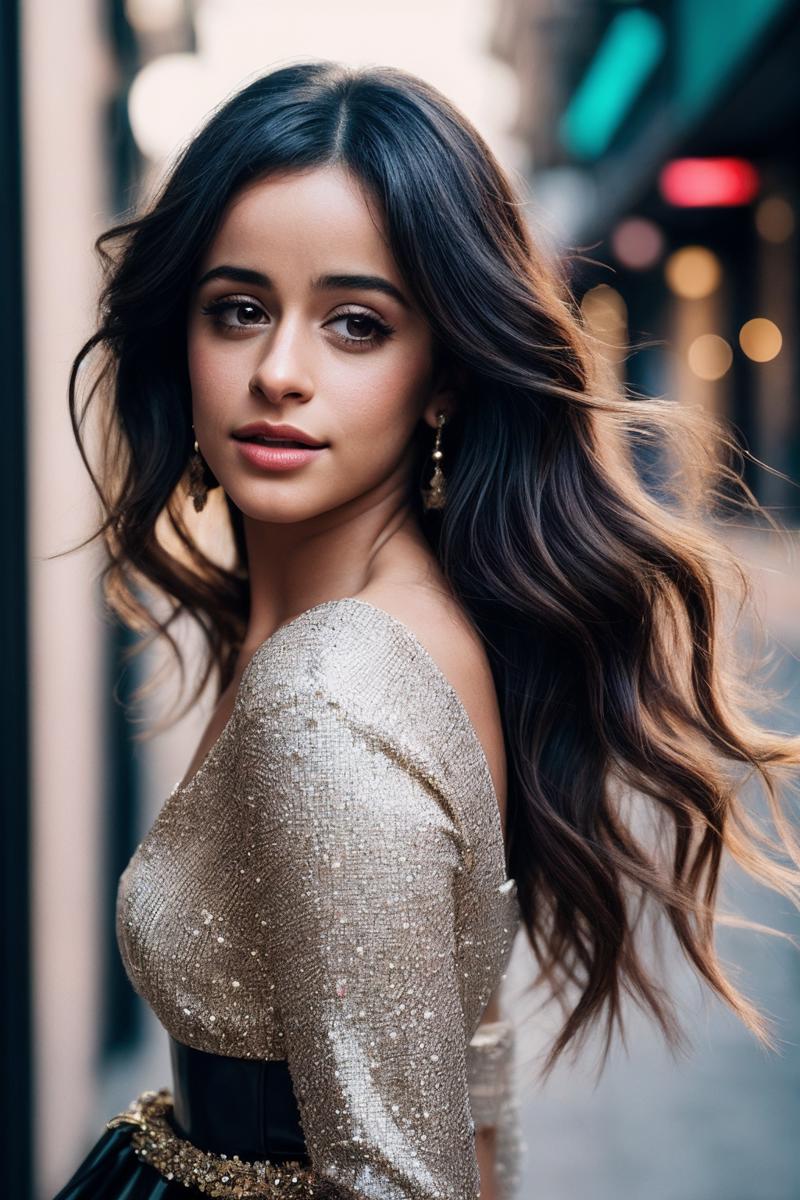
TI(Embedding) version: https://civarchive.com/models/587926/camila-cabello-soloti
Description
FAQ
Comments (5)
could you share some tips for lora training sir
Hey there,
Honestly, there's not much to it – training LoRAs is pretty straightforward. Here's the deal:
· LoRA is easier than training embeddings.
· FLUX LoRAs are easier than SD1.5/SDXL ones.
If I had to name one "secret"? A well-prepared training dataset. Everything else (tools, parameters) comes second.
Most folks working with LoRA/embeddings would agree.
Fun fact: I actually wrote a quick guide on Embedding training before. But for FLUX LoRA training? Honestly, there's really not much to add – it's dead simple. Oh and sometimes I use Civitai's platform for training too – super user-friendly if you wanna try it.
@solo_lee First of all, thank you for your response. If you have time, I’d like to ask a few more questions. So far, I’ve done multiple face LoRA trainings locally or on RunPod using AIToolkit. When training a LoRA for a specific person’s face, the method that best preserved the likeness to the original was training with the default Flux Dev model. What I actually wanted was to train with other mixed checkpoints, because these address various issues present in the original Flux model. However, when I tried training LoRAs with models like Project0, Jib Mix Flux, and DedistilledMixTuned, the results were not good. When generating images with these trained LoRAs and their respective models, it felt like the influence of the base models was so strong that the trained LoRA had little to no impact on the image generation process. For example, the DedistilledMixTuned model has a tendency to generate Asian faces with very large eyes. I tried training a LoRA of a famous East Asian person with this model, but when I generated images using both the model and the LoRA, it didn’t properly capture the person’s features. The eyes came out large, and other characteristics weren’t well represented either. I experimented with various learning rates and numerous steps, but every attempt failed. On the other hand, when I trained a LoRA with the default Flux Dev, the results were mostly good—it captured the original person’s features very well. Is there any way to solve this issue? Also, judging by the small file size of your character LoRA, it seems like you might be training only specific blocks. I haven’t tested this training method extensively yet. Could I ask if you train only certain blocks, and if so, which ones?
@fluxxes Hey, about your questions:
1. Back in the SDXL/SD1.5 era, avoiding base models for LoRA training was standard practice. I haven't tried LoRA training on any FLUX series models except F1D. Your issue sounds like a model limitation – similar to how SD1.5 struggles with East Asian faces. It's baked into the model architecture, not a training fixable thing.
2. Block-specific LoRA training on FLUX is common now. Got the idea from a Reddit post – started with blocks 7 & 20 (worked decently), then gradually added more blocks. My Civitai LoRAs range from 1.xMB to 70-80MB depending on blocks used. More blocks = richer details and better stability.
@solo_lee Thank you very much